

Dragons appear in myths across Europe, Asia, and the Americas. This guide explains the cultural and psychological reasons behind their global presence.
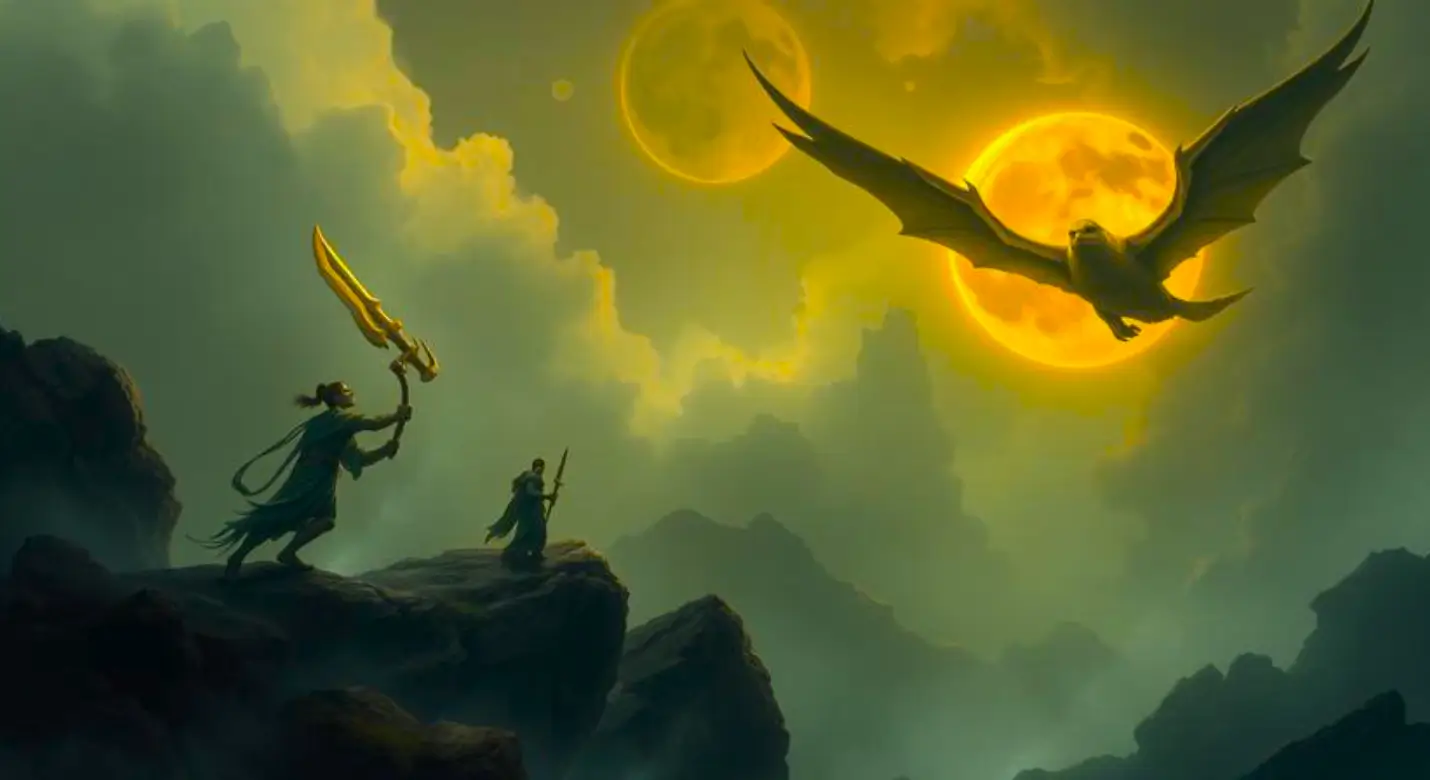
What Is a Dragon? A Universal Yet Diverse Symbol
A dragon is a legendary reptilian creature found in the myths, folklore, and religious traditions of many cultures, usually depicted as a large, serpentine, or winged being with supernatural powers. Although the English word calls up a single image, the creatures described as dragons vary greatly from one tradition to another.
In European stories, dragons were often malevolent, fire-breathing monsters that guarded treasures or devastated villages. In China and other parts of East Asia, dragons were frequently benevolent, wise, and connected to rain, rivers, and imperial authority. Serpent-like beings also appear in the mythologies of India, the Americas, Africa, and Oceania, each with distinct features and meanings.
The word "dragon" comes from the Greek drakōn, meaning "serpent" or "sharp-sighted one," through Latin draco. This origin is significant: many dragon myths are, at their core, stories about giant snakes transformed by imagination into something far larger and more powerful.

Why Do So Many Cultures Have Dragon Myths?
Scholars have proposed several explanations for why dragons appear in so many cultures. No single theory explains every tradition, but together they offer a convincing picture of how this archetype emerged and spread.
Psychological and Symbolic Explanations
One influential approach sees dragons as expressions of universal human fears and desires. The psychoanalytic tradition, associated with Sigmund Freud, interpreted dragons as symbolic figures of parental authority or inner conflict. Joseph Campbell and other scholars of mythology viewed the dragon as a recurring motif in the hero's journey — a powerful guardian that the hero must confront to achieve growth and transformation.
Dragons also combine the most threatening features of real predators: the claws of birds of prey, the teeth of big cats, the scales of reptiles, and the venom of serpents. Some researchers suggest the dragon is a composite predator, an imagined being that condenses every danger our ancestors faced into a single overwhelming creature.
Because dragons sit at the boundary between the human world and the unknown, they became natural symbols for forces that could not otherwise be named. Water, weather, chaos, wisdom, and death were all given reptilian form in different traditions.
Across cultures, dragons have served a range of symbolic roles:
- Guardians of treasure, sacred places, or cosmic order
- Representations of chaos, destruction, and untamed nature
- Symbols of wisdom, longevity, and spiritual knowledge
- Emblems of imperial power and divine favor
- Mediators between heaven, earth, and the underworld
Real Animals and Fossil Discoveries
Another major explanation links dragon myths to encounters with real animals. Crocodiles, pythons, anacondas, and monitor lizards are large, dangerous reptiles capable of inspiring terrifying stories. In regions where such animals lived, legends of giant serpents and dragons are especially common.
Fossil discoveries may also have contributed. Ancient peoples who found the bones of dinosaurs, prehistoric whales, or other extinct creatures had no modern paleontology to explain them. These remains were often interpreted as the bones of dragons, giants, or mythical beasts. In China, dinosaur fossils were traditionally known as "dragon bones" and were used in traditional medicine. In Europe, such fossils were occasionally displayed in churches and town halls as evidence of dragons.
Scholars caution, however, that the fossil theory cannot explain every dragon tradition. Many myths predate any recorded fossil finds or developed in regions where large fossils were absent. The most credible explanation combines psychology, environment, cultural exchange, and independent invention.

Dragon Myths in the East and West
The contrast between Eastern and Western dragons is one of the most studied subjects in dragon mythology. These differences show how the same basic image — a giant serpent — was shaped by very different cultural values and historical experiences.
European Dragons
European dragons were usually hostile. In Greek mythology, dragons such as Ladon and Python guarded sacred places and oracles. Norse mythology gave the world Fafnir, a dragon whose hoard of gold brought greed, betrayal, and destruction. Christian tradition reinterpreted the dragon as a symbol of Satan, as in the Book of Revelation, and celebrated saints like George for defeating dragons.
These dragons were associated with fire, chaos, and paganism. In medieval legends, the dragon became the ultimate adversary, testing the faith and courage of heroes. For those interested in how these traditions evolved, learn more about folklore and legends connected to medieval Europe.
The European dragon thus became a moral symbol as much as a physical threat. Its defeat represented the triumph of order over chaos, faith over heresy, and civilization over wild nature.
Asian Dragons
East Asian dragons were generally revered rather than feared. In Chinese mythology, the long is a beneficent creature that controls rain, rivers, and clouds. It became the emblem of the emperor and a symbol of cosmic harmony. Japanese and Korean dragons share similar qualities, often dwelling in seas, lakes, and skies and bringing blessings to those who honor them.
South and Southeast Asian traditions feature the Nāga, a semi-divine serpent being found in Hindu, Buddhist, and Jain mythology. Nāgas are associated with water, fertility, and hidden treasures, and they sometimes appear as protectors of the Buddha. These beings blur the boundary between dragon, serpent, and deity.
Across Asia, dragons were rarely seen as purely evil. Their destructive powers existed, but so did their capacity for generosity, protection, and spiritual insight.
Dragons in the Americas, Africa, and Oceania
Dragon-like beings appear beyond Eurasia as well. The Mesoamerican feathered serpent Quetzalcoatl combined bird and serpent features and was worshiped as a god of wind, knowledge, and creation. In Andean traditions, the amaru is a serpentine being linked to water and the underworld.
African and Oceanic folklore also contain monstrous serpents with dragon-like powers. The Rainbow Serpent of Aboriginal Australian traditions is a powerful creative being associated with water, land, and life. These figures rarely match the European dragon model exactly, but they share its serpentine core and supernatural significance.
Their existence shows that the dragon archetype is not limited to Europe and Asia. Similar beings emerged wherever people lived alongside snakes, rivers, and the mysteries of nature.
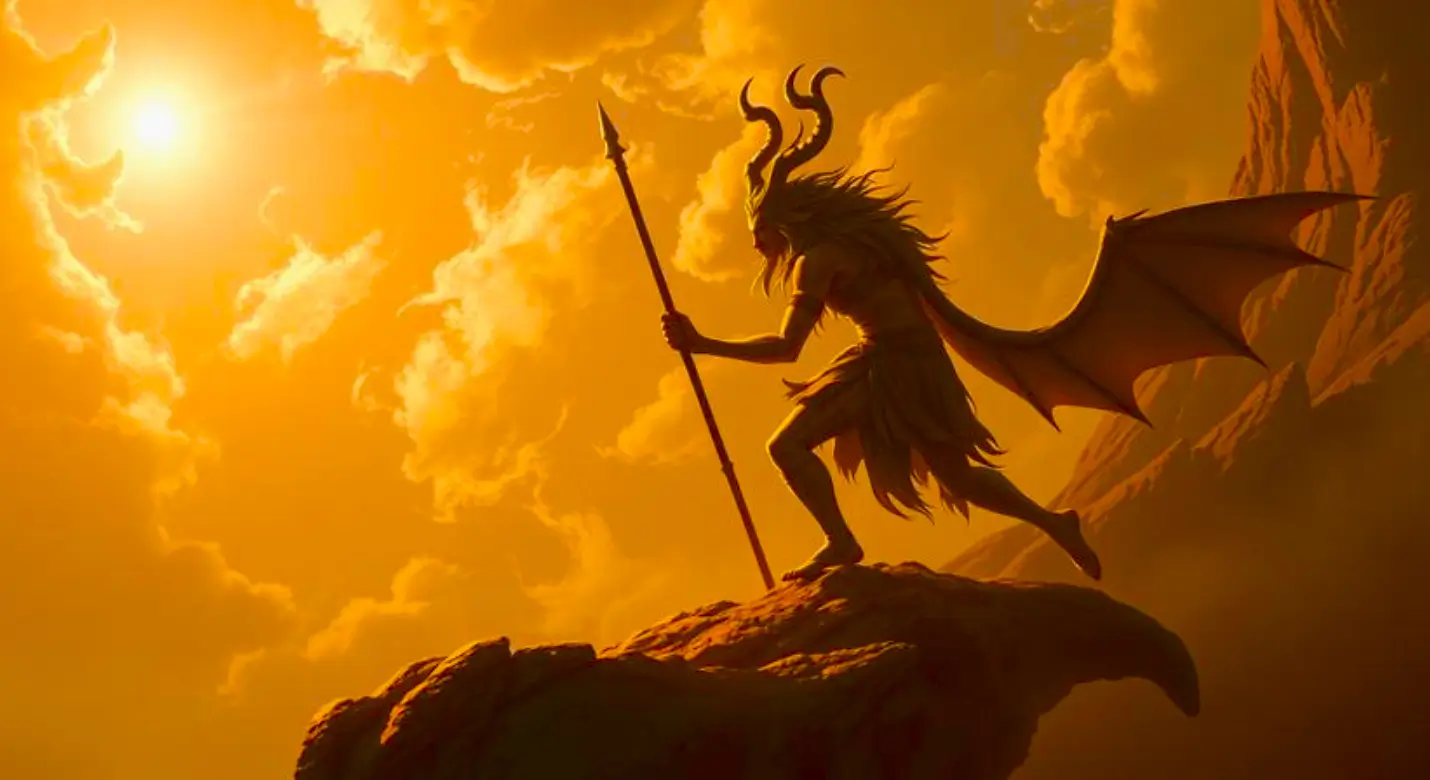
Cultural Exchange or Independent Creation?
One central question is whether dragons spread from a single point of origin or developed independently in different regions. The evidence suggests both processes were at work.
Some dragon traditions clearly traveled. Mediterranean, Near Eastern, and Indian mythologies influenced one another through trade, conquest, and religion. The Nāga tradition spread with Buddhism across Central and East Asia. European dragon legends later crossed the Atlantic with colonization.
Yet the presence of serpent deities in pre-Columbian America, isolated from Afro-Eurasian contact for thousands of years, strongly suggests independent development. Shared psychology, common encounters with snakes and large reptiles, and similar storytelling needs may explain why unrelated cultures invented comparable creatures.
| Topic or Element | Meaning, Role, or Significance | Cultural / Historical Context | Important Distinction / Context |
|---|---|---|---|
| European dragon | Malevolent monster, guardian of treasure, symbol of chaos and evil | Greek, Norse, and Christian traditions; medieval Europe | Often conflates different creatures; Christian symbolism developed over centuries |
| Asian dragon (long) | Benevolent being, controller of rain, symbol of imperial power | China, Japan, Korea; linked to dynastic rule | Distinct from the European dragon; not inherently evil |
| Nāga | Semi-divine serpent being, protector of waters and treasures | Hindu, Buddhist, and Jain traditions; South and Southeast Asia | Blurs the line between dragon, serpent, and deity |
| Quetzalcoatl | Feathered serpent god of wind, knowledge, and creation | Mesoamerican civilizations, including the Aztec world | Independent development; differs from Old World dragons |
| Drakōn / Draco | Ancient Greek term for serpent or dragon | Greek and Roman mythology; source of the word "dragon" | Originally meant "serpent"; the meaning shifted over time |
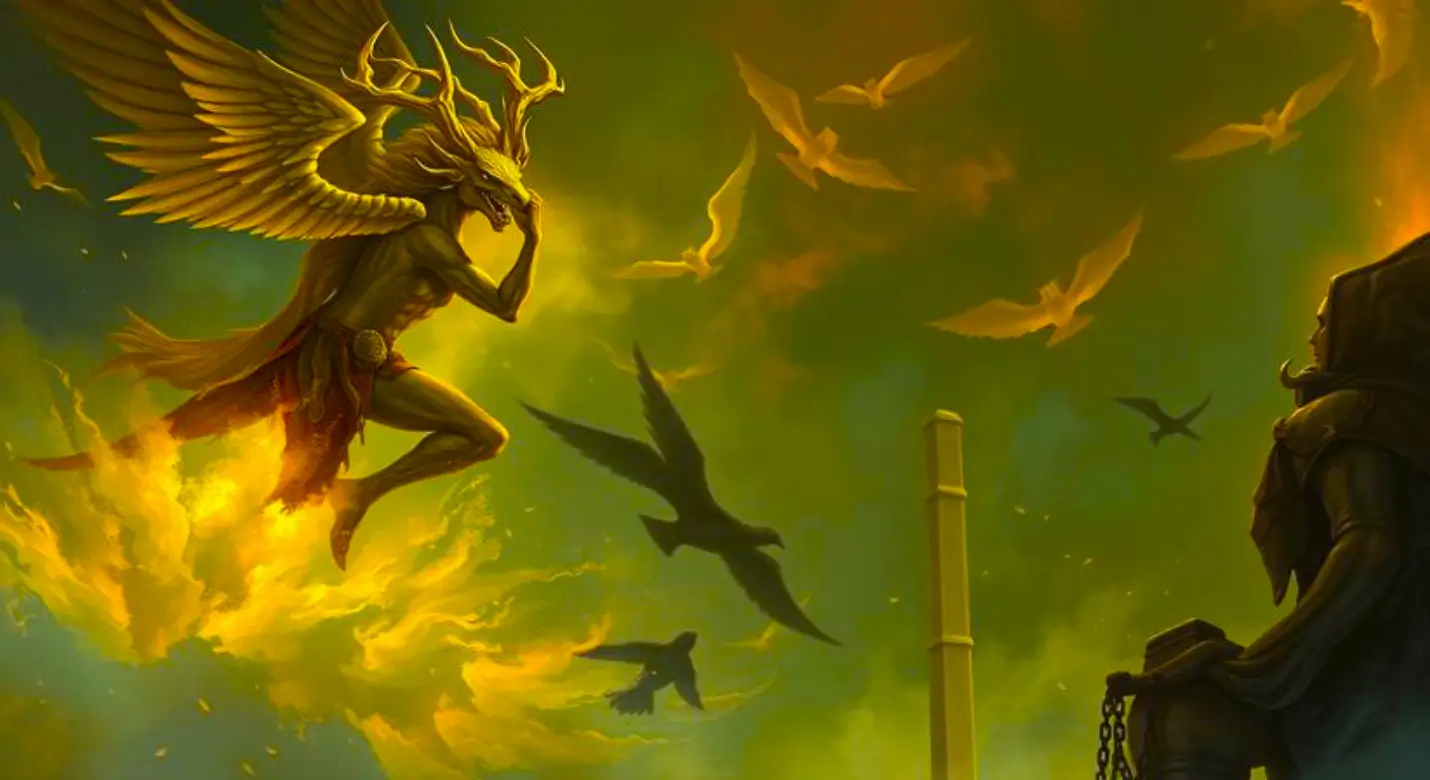
Conclusion: Why Dragons Endure
The worldwide presence of dragons reveals something profound about human imagination. These creatures combine real fears of predators, the wonder of unexplored places, and the need to give form to chaos, power, and the unknown.
Dragons were not invented by a single culture. They are a recurring pattern in human storytelling, a flexible symbol that each civilization reshaped according to its own values. Whether feared as destroyers or honored as wise guardians, dragons still fill modern books, films, and games, proving the lasting power of this ancient archetype.
Lore Unbound treats these traditions as cultural and historical phenomena, not literal truths. The encyclopedia helps readers understand how myths grow, travel, and transform. To go deeper, explore more religions and belief systems or discover related myths and mythological traditions from around the world.
Readers interested in the meaning behind these stories can also explore symbols and their meanings across different cultures. For a broader view, visit the Lore Unbound homepage or explore the full folklore and legends reference library.
Lore Unbound is an independent educational resource. For more information, read about Lore Unbound, review the editorial policy, or consult the privacy policy and terms of use.
This content was created with the assistance of Artificial Intelligence as an editorial tool and reviewed by Pedro Neves in accordance with Lore Unbound's editorial standards for clarity, neutrality, cultural context, responsible sourcing, and the distinction between documented evidence, scholarly interpretation, religious belief, mythology, folklore, legend, and traditional narrative. The content is prepared following Lore Unbound's editorial guidelines and quality standards for SEO, GEO, and Artificial Intelligence answer systems.
FAQ About Why Are Dragons Found in So Many Mythologies?
Why are dragons found in so many mythologies?
Dragons appear in many unrelated cultures because they are composite symbols built from real animals and natural phenomena that humans everywhere observed. Serpents, birds, big cats, crocodiles, lightning, volcanic smoke, and eclipses could all contribute to dragon imagery. Once formed, dragons became flexible symbols for chaos, power, wisdom, or protection, allowing each culture to adapt them to local beliefs and storytelling needs.
What is a dragon?
A dragon is a legendary creature usually depicted as a large reptile, often with scales, claws, wings, or serpentine features. Unlike ordinary animals, dragons are supernatural and may breathe fire, control weather, guard treasure, or possess great intelligence. Definitions vary widely across cultures, so there is no single universal dragon type, only a broad family of related mythical beings.
Did dragon myths originate from a single culture?
There is no reliable evidence that all dragon myths came from one source. Independent cultures in Europe, Asia, Africa, and the Americas developed their own dragon-like figures using locally observed animals and natural events. Some similarities come from shared human psychology and environment, while other similarities came from later trade, travel, and cultural exchange, especially along routes like the Silk Road.
Are dragon stories connected to real animals like dinosaurs?
Modern dragon imagery is sometimes inspired by dinosaur fossils, but ancient dragon myths existed long before paleontology developed. When ancient people found large bones, they often interpreted them as remains of giants or mythical beasts, which may have reinforced local legends. However, the original dragon myths were not based on a scientific understanding of dinosaurs, and no known culture preserved dinosaur knowledge through unbroken oral tradition.
Why do dragons appear in both Europe and Asia with different meanings?
In many European traditions, dragons are often destructive, hoarding, or evil creatures that heroes must slay, representing chaos or sin. In many East Asian traditions, dragons are usually benevolent, wise, and tied to water, rain, imperial power, and good fortune. These differences reflect contrasting religious, social, and environmental contexts, not a single shared meaning for the dragon figure.
How have dragon myths changed over time?
Dragon myths evolved from ancient serpent worship and weather spirits to medieval monsters, royal emblems, and literary characters. In Christian European art, dragons became symbols of Satan or paganism, while in China dragons became state symbols of imperial authority. Modern stories often show dragons as intelligent beings, allies, or even protagonists, showing how each era reinterprets the creature for its own values and concerns.
What roles do dragons play in religion and folklore?
Dragons serve many roles: guardians of sacred places, bringers of rain, symbols of cosmic order or chaos, divine messengers, ancestors, and adversaries of gods or saints. In Hinduism and Buddhism, dragons and nagas are linked to water, fertility, and wisdom. In Christianity, dragons often represent evil overcome by divine power. In folk customs, dragon processions, dances, and rituals mark seasons, harvests, and imperial celebrations.
What are common symbols associated with dragons?
Dragons commonly symbolize primal forces, untamed nature, power, wisdom, longevity, transformation, protection, and danger. In East Asian culture, dragons represent imperial authority, water, clouds, rain, and good luck. In Western myth, dragons often symbolize greed, chaos, or the unknown. Because dragons are hybrids, they also symbolize the union of different realms, such as earth and sky or water and fire.
What misconceptions exist about dragons?
A common misconception is that all dragons are fire-breathing, winged, and evil, which only fits some European traditions. Another is that dragon myths are memories of dinosaurs, which lacks evidence. People also assume all Asian dragons are harmless, but some are destructive or dangerous. It is also incorrect to claim a single historical event or common ancient monster explains all dragon legends around the world.
How do scholars explain the global presence of dragon stories?
Scholars use several explanations: shared animal instincts and fear of predators, common natural experiences like storms and volcanoes, symbolic thinking about chaos and power, and cultural diffusion through travel and trade. No single theory explains every dragon myth. The most accepted view is that dragons arise from multiple psychological, environmental, and cultural factors that combine differently in each society, producing similar but distinct creatures worldwide.
Author: Editorial Team – Lore Unbound
Reviewed by: Pedro Neves
Article produced and published in accordance with our Editorial Policy: https://loreunbound.com/editorial-policy/
Published on: September 3, 2026
Website content categories:
This content is part of the Lore Unbound editorial ecosystem, which includes:
Related Content