

Flood myths are ancient stories of catastrophic deluges found worldwide, revealing how cultures understood destruction, renewal, and the divine.
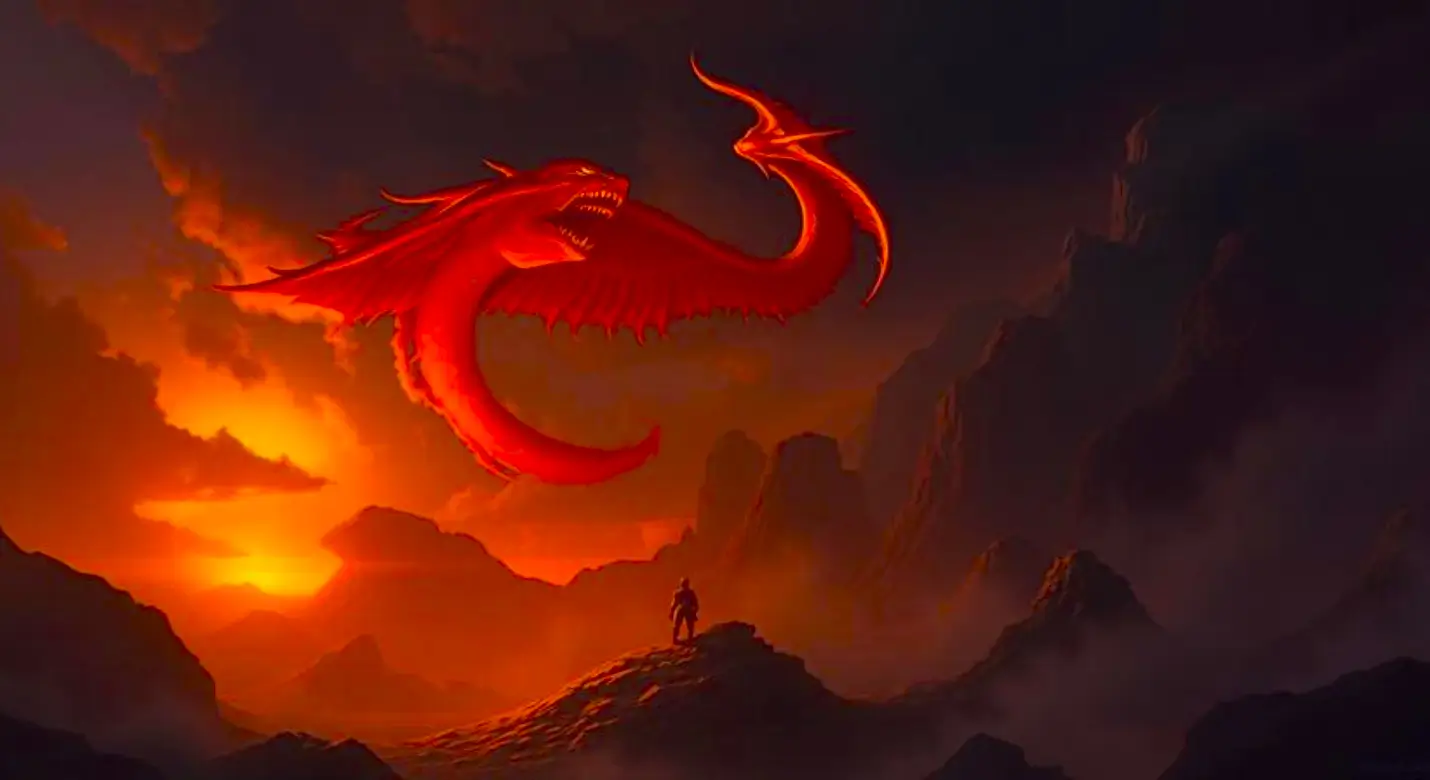
Defining the Flood Myth
A flood myth is a traditional narrative in which a great deluge, usually sent by divine forces, destroys an earlier world or generation, sparing a small group that renews life afterward.
Flood stories appear across continents, from ancient Mesopotamia to indigenous American traditions, and from Greek and Hindu classics to the Hebrew Bible. Each culture shapes its account differently, yet the core pattern remains consistent: water becomes an instrument of destruction and renewal.
Core Elements of Flood Stories
Most flood myths share a recognizable sequence. A divine being becomes displeased with humanity, a warning reaches a chosen individual, and floodwaters cover the inhabited world.
Survivors escape in a vessel, on a mountain, or with supernatural help. After the waters recede, they offer sacrifices and receive a promise that the disaster will not return.
These stories often explain why the world is imperfect, why death exists, or how a community entered a new age.
- Divine or cosmic cause for the flood
- Warning and selection of survivors
- A vessel, refuge, or high place of safety
- Destruction of an older world order
- A covenant, sacrifice, or new beginning
The Most Widely Known Flood Narratives
The most famous account in Western tradition is Noah's Ark, told in Genesis 6–9. God commands Noah to build an ark, preserves his family and animal pairs, and establishes a covenant symbolized by the rainbow.
In Mesopotamia, the hero Utnapishtim tells a similar story to Gilgamesh, including a divinely sent storm, a boat, and a bird sent to test the waters.
Greek myth recounts Deucalion and Pyrrha, who survive a flood sent by Zeus and repopulate the earth by casting stones. Hindu tradition describes Manu, warned by a fish who saves the seeds of creation.
- Noah's Ark in the Hebrew Bible
- Utnapishtim in the Epic of Gilgamesh
- Deucalion and Pyrrha in Greek myth
- Manu and the Fish in Hindu tradition
- Diverse indigenous flood stories in the Americas, Africa, and Oceania
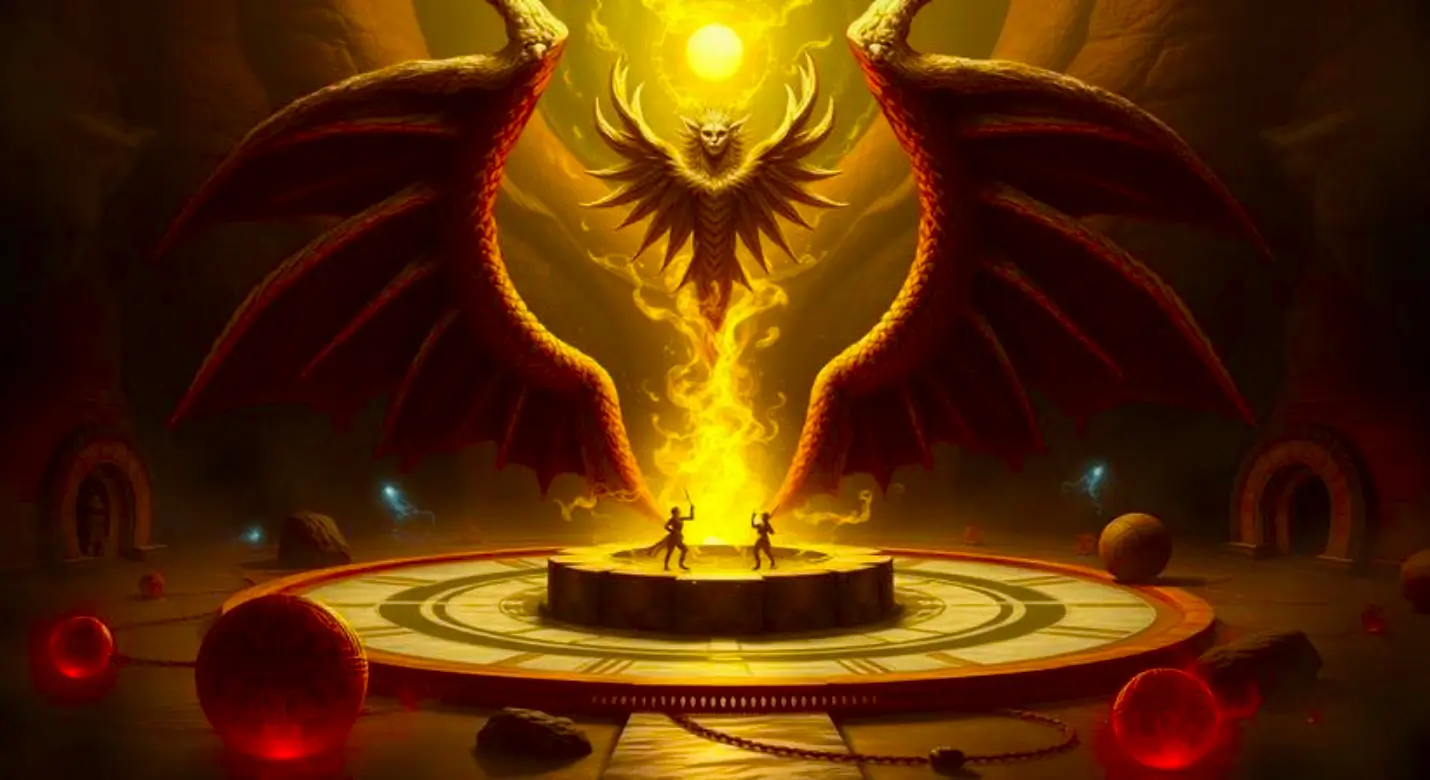
Origins and Historical Development
Written flood accounts go back more than four thousand years, but their origins are debated. Some scholars propose real prehistoric events, such as the flooding of the Black Sea region, while others argue the stories arose independently everywhere floods were common.
Mesopotamian Roots
Mesopotamia produced the earliest known flood accounts. The Sumerian deluge story survives on clay tablets from the early second millennium BCE.
The most complete version appears in Tablet XI of the Epic of Gilgamesh, copied by the Assyrian king Ashurbanipal's scribes at Nineveh.
Parallels with later biblical and Greek stories are clear, although the exact paths of transmission are still debated.
- Earliest written flood narratives known to scholarship
- The gods act collectively, sometimes capriciously
- Survival leads to altered status for the flood hero
- Clear parallels with later biblical and Greek stories
Flood Myths in Religious Texts
In the Hebrew Bible, the flood is divine judgment for human wickedness and also an act of mercy, since Noah finds favor with God.
Later Jewish, Christian, and Muslim traditions expanded the narrative. The Quran presents Noah as a prophet who preaches to a rejecting people before the flood destroys them.
Each tradition emphasizes different meanings: covenant, salvation, or divine justice. Later commentaries also added details absent from the oldest versions.
- Hebrew Bible: covenant, divine justice, and renewal
- Christian interpretation: sin, salvation, and baptism imagery
- Quranic narrative: Noah as a warning prophet
- Later commentaries expanded details beyond the oldest sources

Symbolic Meaning and Cultural Significance
Flood myths operate on several levels. On the surface they are stories about catastrophe; symbolically they explore guilt, purification, survival, and renewal.
Water destroys but also cleanses. The flood hero represents obedience, wisdom, or fortune, while the rebuilding of the world connects the story to the community's values.
Destruction, Judgment, and Renewal
In many traditions, the flood is cosmic justice. Human violence or moral failure provokes a divine response.
Yet the flood also creates a new beginning. Noah plants a vineyard; Deucalion and Pyrrha repopulate the earth; Manu carries the seeds of creation.
Such stories are not simple records of disaster. They are meditations on social order, mortality, and the fragile relationship between humans and the forces that rule the world.
- Water as purifying and destructive power
- The flood as moral or cosmic judgment
- Survival as a sign of divine favor
- Renewal of the world and human responsibility
Interpretations and Debates
Scholars debate whether flood myths share one origin or developed independently. Some tie them to real catastrophes, such as the Black Sea overflow around 5600 BCE.
Others emphasize independent development, noting that flood stories appear in some regions but are absent in others, and that their details vary widely.
Archaeology does not confirm a global deluge. The biblical flood, for example, is not attested outside biblical and cuneiform tradition, so religious belief and historical evidence must be distinguished.
- Catastrophist theories remain unproven
- Independent development likely shaped local traditions
- Archaeology does not confirm a global deluge
- Religious belief and historical evidence should be distinguished
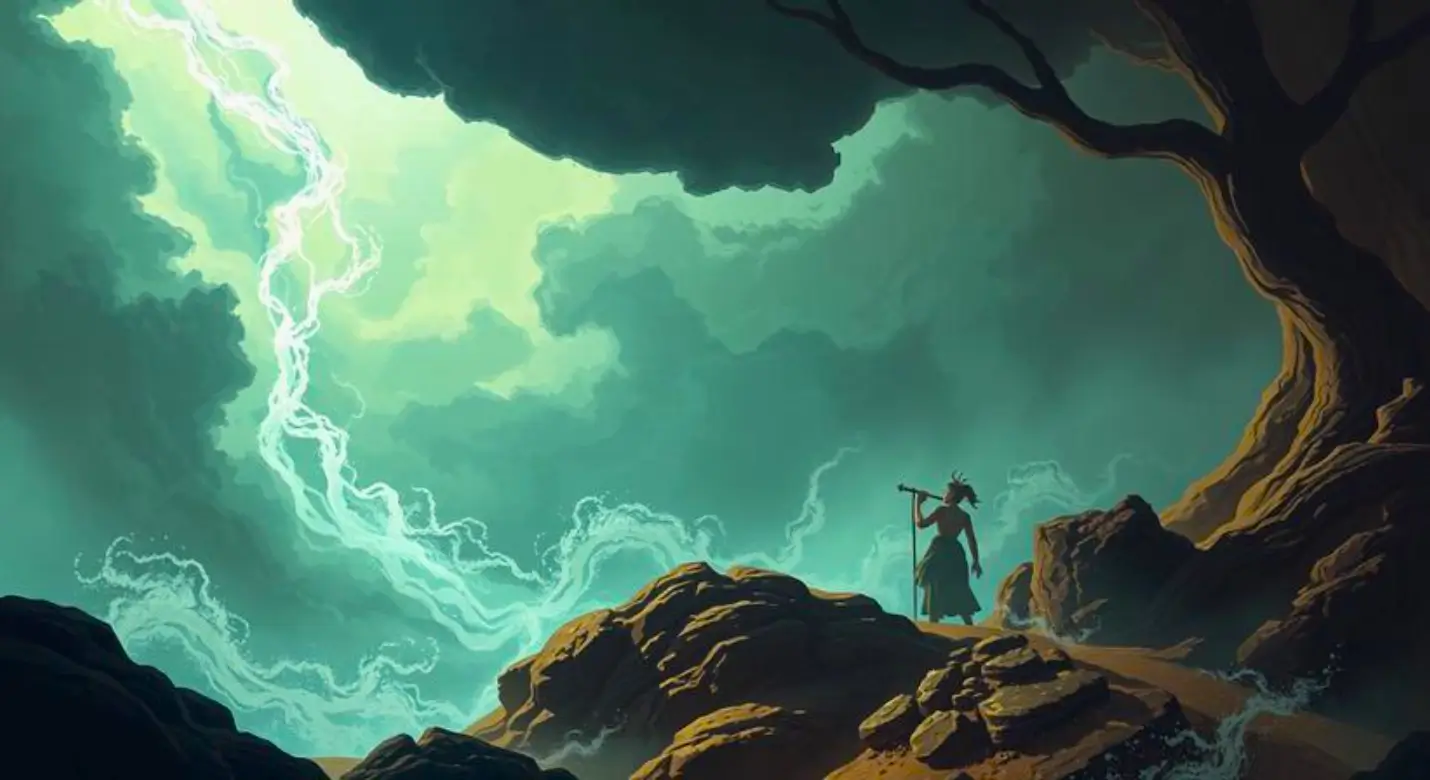
Comparative Table of Major Flood Traditions
The table below summarizes important flood traditions, their meanings, historical contexts, and distinctions necessary for responsible comparison.
| Topic or Element | Meaning, Role, or Significance | Cultural / Historical Context | Important Distinction / Context |
|---|---|---|---|
| Noah's Ark | Divine judgment, covenant, and renewal | Hebrew Bible, Genesis 6–9; received in Judaism, Christianity, and Islam | Religious belief; parallels earlier Mesopotamian accounts |
| Utnapishtim | Human mortality and divine favor | Mesopotamia, Epic of Gilgamesh, Tablet XI | Oldest written flood account; polytheistic narrative |
| Manu and the Fish | Preservation of life and cosmic ages | Hindu texts, including the Shatapatha Brahmana and Puranas | Cyclical cosmology; not solely moral in purpose |
| Deucalion and Pyrrha | Rebirth of humanity after Zeus's wrath | Greek mythology; retold by Ovid in Metamorphoses | Mythological narrative; humans reborn from stones |
| Indigenous flood stories | Survival and earth-diver creation motifs | Native American, African, and Oceanian oral traditions | Great diversity; no single shared narrative or meaning |

Conclusion: Why Flood Myths Endure
Flood myths endure because they address universal questions: what happens when a community fails morally, how the world begins again after disaster, and why ordinary people survive extraordinary crises.
Across cultures, these stories teach religious lessons, explain ancestral origins, and help communities respond to real catastrophes. Understanding them requires attention to each tradition's context and sources.
Readers can explore more religions and belief systems, discover related myths and mythological traditions, or examine the symbolism of water and renewal across cultures. The about page of Lore Unbound explains the encyclopedia's educational mission, and the editorial policy outlines its source-based standards.
For practical information, the terms of use and privacy policy explain how readers may use the site, while the contact page welcomes responsible questions. The Lore Unbound homepage offers a complete view of available topics, and the folklore and legends section gathers related traditional narratives.
This content was created with the assistance of Artificial Intelligence as an editorial tool and reviewed by Pedro Neves in accordance with Lore Unbound's editorial standards for clarity, neutrality, cultural context, responsible sourcing, and the distinction between documented evidence, scholarly interpretation, religious belief, mythology, folklore, legend, and traditional narrative. The content is prepared following Lore Unbound's editorial guidelines and quality standards for SEO, GEO, and Artificial Intelligence answer systems.
FAQ About What Is a Flood Myth?
What is a flood myth?
A flood myth is a traditional narrative, found in many cultures worldwide, that describes a great deluge or catastrophic flood, often sent by divine beings as a form of judgment, punishment, or cosmic reset. These stories typically feature a chosen survivor or group who escapes by building an ark or boat, or by seeking high ground, sometimes preserving animals and seeds for a new beginning. Flood myths are studied as expressions of religious belief, moral teaching, and cultural memory rather than as literal historical records.
Which cultures and religions have flood myths?
Flood myths are remarkably widespread across the globe. Examples include the Mesopotamian stories of Ziusudra and Utnapishtim, the biblical narrative of Noah in Genesis, the Greek myth of Deucalion and Pyrrha, Hindu stories of Manu and the fish avatar Matsya, and flood narratives among Indigenous peoples of the Americas, Africa, Oceania, and East Asia. The global distribution is broad, though the specific details vary significantly from one tradition to another.
What is the most famous flood myth?
The most widely known flood myth is the biblical account of Noah in the Book of Genesis, chapters 6 through 9. In this narrative, God decides to flood the earth because of human wickedness and instructs Noah to build an ark to save his family and pairs of animals. After the floodwaters recede, Noah offers a sacrifice and God establishes a covenant with humanity, symbolized by a rainbow. This story has profoundly influenced Western art, literature, and religious thought.
Are flood myths based on real historical events?
Scholars are divided on this question. Some researchers suggest that certain flood myths may preserve memories of real, localized flooding events, such as river valley floods, tsunamis, or the reflooding of the Black Sea region after the last Ice Age. However, most scholars agree that flood myths are primarily literary and theological narratives that use flooding as a symbolic motif. There is no scientific evidence for a single global flood covering the entire earth in historical times.
What is the Mesopotamian flood myth and how does it relate to the biblical story?
The Mesopotamian flood myth appears in texts such as the Sumerian King List, the Epic of Gilgamesh, and the Atra-Hasis epic. In the Epic of Gilgamesh, the hero Utnapishtim is warned by the god Ea to build a boat and preserve life because the gods decide to destroy humanity with a flood. Many scholars note clear parallels between Utnapishtim and Noah, including the building of a vessel, the sending of birds to check for dry land, and a sacrifice after landing. Most historians regard the biblical flood narrative as sharing a common ancient Near Eastern literary and cultural heritage with these earlier Mesopotamian texts.
What are some common themes or symbols in flood myths?
Common themes include divine judgment, purification, renewal, human disobedience, and the idea of a chosen survivor. The ark or boat symbolizes safety and preservation. Birds, such as ravens and doves, often act as messengers that indicate whether dry land has reappeared. Rainbows, mountains, and sacred plants or stones may also appear as signs of divine mercy or covenant. The flood itself is frequently portrayed as a return to watery chaos, from which a new ordered world emerges.
How do scholars interpret flood myths?
Scholars interpret flood myths from multiple perspectives. Historical researchers investigate possible geological or climatic events that may have inspired the stories. Comparativists analyze similarities and differences across cultures to trace literary borrowing or independent development. Anthropologists examine how flood myths express a society's values, fears, and relationship with nature. Theologians and religious scholars discuss what the narratives reveal about divine justice, mercy, and covenant within specific faith traditions. No single interpretation is universally accepted.
What is the difference between the Genesis flood narrative and other flood stories?
The Genesis flood narrative emphasizes monotheistic theology: one God acts with moral purpose, judges wickedness, and establishes a covenant with humanity. Many other flood myths, such as the Mesopotamian ones, involve multiple deities who may act capriciously or out of annoyance, and the survivor is often granted personal immortality rather than a covenant with all living beings. Regional myths differ as well; in the Greek story of Deucalion and Pyrrha, the earth is repopulated when the survivors throw stones that become people. The tone and moral framework therefore vary considerably across traditions.
Are flood myths found in the Americas, Asia, and other regions?
Yes. In Mesoamerica, stories such as those recorded in the Maya sacred text Popol Vuh describe a great flood sent by the gods. In South America, various Amazonian peoples have flood narratives. Indigenous North American traditions, including those of the Hopi, Cree, and other nations, also include flood stories featuring cultural heroes. In Asia, the story of Manu and the fish Matsya appears in Hindu scripture, and flood tales are found in Chinese, Japanese, Southeast Asian, and Aboriginal Australian traditions. The global distribution does not necessarily prove a common origin; it may reflect shared human experiences of catastrophic flooding.
What is the cultural significance of flood myths today?
Flood myths remain culturally significant because they address universal human concerns about disaster, survival, morality, and renewal. They continue to appear in literature, film, and art, often as metaphors for climate change or ecological crisis. For religious communities, flood narratives are sacred texts with profound theological meaning. For scholars and educators, flood myths provide insight into how ancient peoples understood their world and responded to natural catastrophes. They are also used in comparative mythology and interfaith dialogue to explore shared themes across different traditions.
Author: Editorial Team – Lore Unbound
Reviewed by: Pedro Neves
Article produced and published in accordance with our Editorial Policy: https://loreunbound.com/editorial-policy/
Published on: September 10, 2026
Website content categories:
This content is part of the Lore Unbound editorial ecosystem, which includes:
Related Content