

Demigods appear across world mythologies as figures born from the union of a deity and a mortal, embodying both divine power and human limitation.

What Is a Demigod? Definition and Core Meaning
A demigod is a mythological being who is partly divine and partly human, usually born from the union of a deity with a mortal. Demigods possess extraordinary abilities but remain subject to pain, aging, and death. Their dual nature symbolizes the boundary between human and divine.
The concept appears in many ancient cultures, though it is most closely associated with Greek and Roman mythology, where demigods were heroes of the distant past honored for strength, courage, and civilizing deeds.
The Etymology of the Word "Demigod"
The English word demigod comes from the Latin semideus, meaning "half-god," which was modeled on the Greek term hēmitheos. In ancient Greek literature, hēmitheos described heroes such as Heracles and Achilles, figures whose divine parentage placed them between gods and mortals.
The term appears in Greek sources from the archaic period onward and was later used by Roman poets such as Ovid. From there, it passed into medieval and modern European languages.
In modern usage, "demigod" may describe anyone regarded with near-divine reverence. In mythology, however, the term keeps a more precise meaning connected to genealogy and heroic status.
- Hēmitheos is the earliest recorded Greek term for demigods.
- Semideus adapted the concept into Roman literature.
- Modern English inherited the word through Latin and later translations.
- Not every mythological hero is a demigod; some are fully mortal.
Demigods in Greek and Roman Mythology
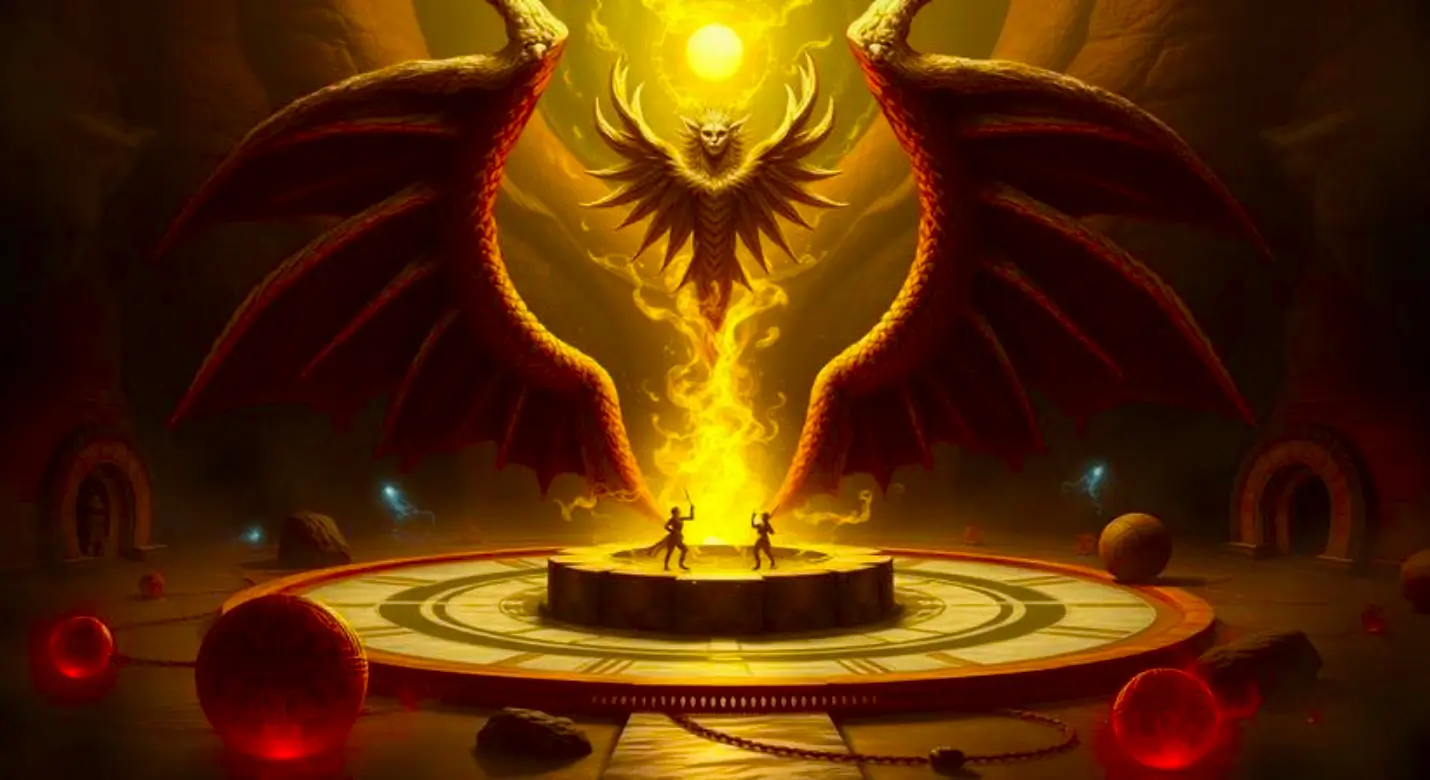
Greek mythology provides the most famous examples. Heracles, son of Zeus and the mortal Alcmene, is known for his Twelve Labors. Perseus, also a son of Zeus, slew Medusa, while Theseus—traditionally son of Poseidon or King Aegeus—became the legendary king of Athens.
Roman tradition adopted many Greek heroes and developed its own figures. Aeneas, hero of Virgil's Aeneid, was the son of Venus and the mortal Anchises, honored as an ancestor of the Roman people. Emperor Augustus claimed descent from Aeneas, linking imperial power to divine heritage.
Famous Demigods and Their Heroic Roles
In Greek myth, demigods often served as culture heroes, founders of cities, and defenders of communities. Their stories were preserved in epic poetry, tragedy, and local cult traditions.
Many Greek demigods received heroic honors after death, including tombs, shrines, and ritual games. This practice, known as hero cult, treated them as powerful ancestors who could protect or harm the living.
Ancient sources do not always agree on a hero's parentage. Some traditions describe Theseus as the son of Poseidon, while others name the mortal king Aegeus as his father. Such variations show that mythology was fluid and shaped by local traditions.
- Heracles is the strongest and most famous Greek demigod.
- Achilles, son of the sea goddess Thetis, is central to the Iliad.
- Perseus founded cities and rescued Andromeda from a sea monster.
- Aeneas became the legendary ancestor of the Romans.

Demigods in Other Mythological Traditions
The demigod figure is not exclusive to Greece and Rome. In Mesopotamia, Gilgamesh, king of Uruk, was described as two-thirds divine and one-third human. Norse sagas attribute divine ancestry to certain heroes, and Egyptian pharaohs were regarded as living gods.
In Hinduism, the avatar presents a different model: gods such as Vishnu descend to earth in mortal or animal forms. The heroes of the Mahabharata, including the five Pandava brothers, are described as sons of specific deities, a category comparable to Greek demigods.
Cultural Variations of the Demigod Figure
Different cultures define the boundary between divine and human in different ways. A demigod may be the child of a deity and a mortal, a human elevated to divine status, or a god who takes mortal form. The category is flexible rather than fixed.
In Mesoamerican mythology, the Hero Twins descend into the underworld and overcome death. Chinese traditions sometimes describe emperors and sages as conceived through miraculous means. These examples show how cultures adapt the demigod concept to their own frameworks.
Readers interested in these connections can discover related myths and mythological traditions and learn more about folklore and legends across cultures.
- Gilgamesh is described as two-thirds divine and one-third human.
- Norse sagas associate some heroes with divine ancestry.
- Hindu epics portray heroes as sons of gods.
- The Hero Twins of Mesoamerica overcome death itself.
Characteristics, Powers, and Cultural Significance
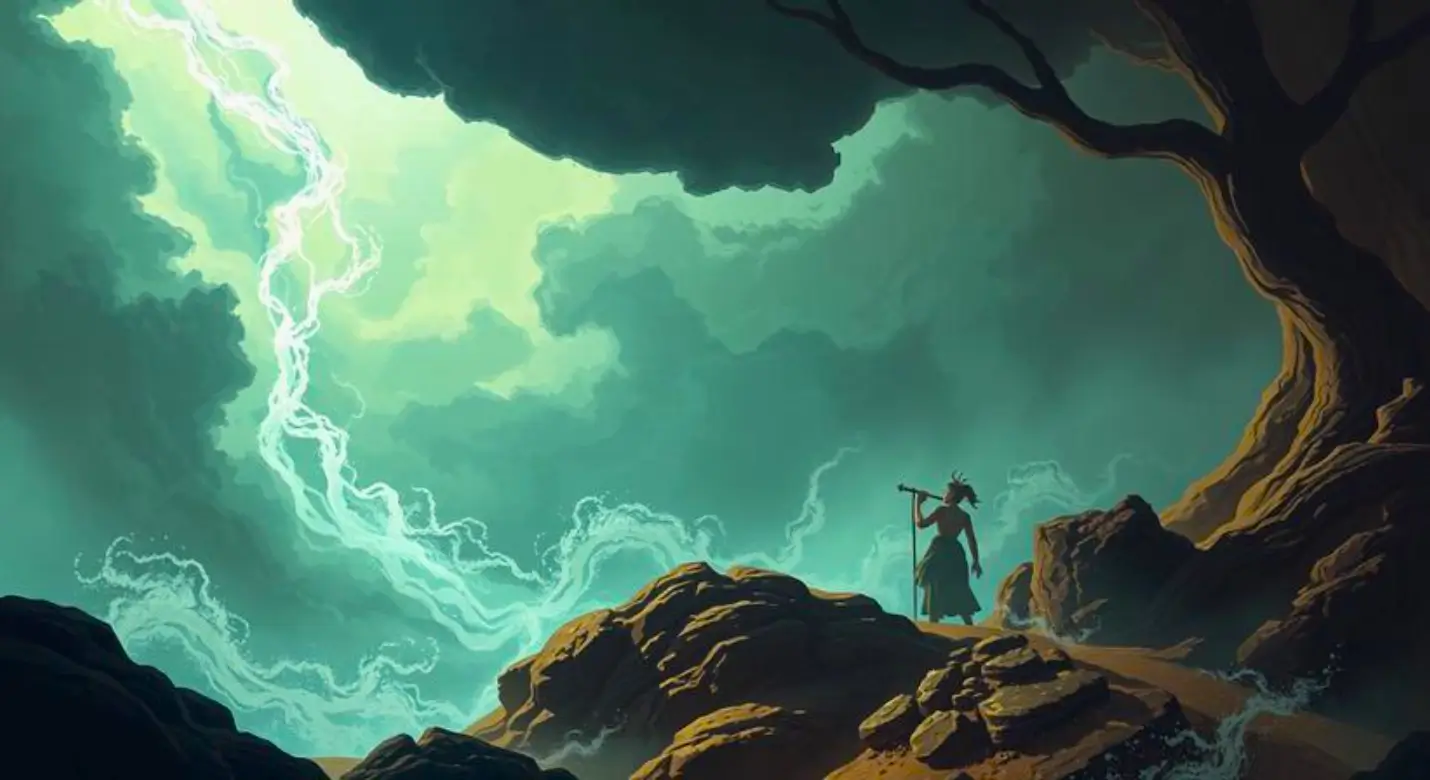
Demigods typically possess superhuman strength, courage, or skill, but they are not invulnerable. Many die young or suffer tragic fates. This mortality is essential to their meaning: their achievements are humanly relevant because they face the same limits as ordinary people.
In many myths, the demigod acts as an intermediary between gods and mortals. Because they belong to both worlds, they can interpret divine will, fight divine enemies, and bring human concerns to the gods. This role made them important in religious cults and political ideology.
The Symbolic Role of Demigods in Society
Demigods often legitimized power. Royal families and city founders claimed descent from heroes or gods to justify their authority, from Greek aristocratic lineages to Roman imperial claims.
Demigods also embody cultural ideals: bravery, loyalty, perseverance, and the pursuit of glory. Their stories teach that great achievements come at a cost and that even the strongest face limits.
Scholarly interpretations differ. Some researchers view demigods as remnants of ancestor worship, while others see them as narrative devices connecting human and divine worlds. The evidence does not support a single universal explanation, and Lore Unbound presents these interpretations as scholarly perspectives rather than established facts.
- Demigods mediated between mortals and gods.
- They legitimized royal and civic authority.
- They modeled cultural values and heroic ethics.
- They expressed the tension between destiny and personal choice.
| Topic or Element | Meaning, Role, or Significance | Cultural / Historical Context | Important Distinction / Context |
|---|---|---|---|
| Heracles (Hercules) | Greek hero of the Twelve Labors; son of Zeus and Alcmene | Ancient Greece; epic poetry and hero cult | Later traditions sometimes present him as fully divine |
| Hēmitheos / Semideus | Greek and Latin terms meaning "half-god" | Archaic Greek poetry; Roman literature | Latin term is a later adaptation of Greek usage |
| Gilgamesh | King of Uruk described as two-thirds divine | Mesopotamian epic tradition | Divine genealogy does not imply cult worship |
| Pandava brothers | Sons of gods in the Mahabharata | Classical Indian epic tradition | Shaped by Hindu theology rather than Greek hero cult |

Modern Interpretations and Lasting Legacy
In modern popular culture, demigods appear frequently in books, films, and games. The Percy Jackson novels, for example, present a son of Poseidon navigating adolescence and heroic adventure. These retellings often emphasize identity and the discovery of hidden powers.
Contemporary portrayals tend to simplify or reimagine ancient myths. While some retellings rely on careful research, others change details for dramatic effect. Readers should distinguish between ancient sources, later traditions, and modern adaptations.
For audiences today, the demigod remains a powerful metaphor for carrying a special purpose while struggling with ordinary limitations. The persistence of this figure across cultures testifies to its deep roots in human imagination.
Lore Unbound examines demigods within their full historical and cultural context. Readers can explore more religions and belief systems, explore symbols and their meanings, and consult the editorial policy to understand how this encyclopedia approaches cultural knowledge.
Demigods are best understood not as a single fixed type but as a related family of figures shaped by different cultures and periods. Their lasting significance lies in the encounter between divine and human worlds and in enduring questions about power, mortality, and destiny.
This content was created with the assistance of Artificial Intelligence as an editorial tool and reviewed by Pedro Neves in accordance with Lore Unbound's editorial standards for clarity, neutrality, cultural context, responsible sourcing, and the distinction between documented evidence, scholarly interpretation, religious belief, mythology, folklore, legend, and traditional narrative. The content is prepared following Lore Unbound's editorial guidelines and quality standards for SEO, GEO, and Artificial Intelligence answer systems.
FAQ About What Is a Demigod in Mythology?
What is a demigod in mythology?
A demigod is a figure in mythology and legend with one divine parent and one human parent, or a mortal who is granted divine status or power. The term generally describes heroic beings with extraordinary abilities who act as intermediaries between the divine and human worlds. In classical Greek and Roman mythology, figures such as Heracles and Perseus are often described as demigods, but similar concepts appear in many cultures under different names.
Where does the term demigod come from?
The word demigod comes from Latin semideus, meaning half-god. It was later adopted into English through the Greek term hemitheos, also meaning half-god. In ancient Greek texts, hemitheos was used for heroes with divine ancestry or exceptional heroic status. The concept developed over time, and not every legendary hero was called a demigod in antiquity.
Are demigods always children of a god and a mortal?
In the most common usage, a demigod has one divine parent and one human parent. However, the term has also been applied to mortals who are elevated to divine or semi-divine status after death, and to figures who possess divine powers without being born from a deity. The definition varies by culture and historical period, so it is not a universal category with fixed rules.
Which cultures and mythologies feature demigods?
Greek and Roman mythology features famous demigods such as Heracles, Perseus, and Achilles. Hindu tradition includes heroes and figures with divine parentage, including Bhima and Arjuna. In Norse mythology, legendary families sometimes trace their ancestry to gods. In Mesopotamian epic tradition, Gilgamesh is described as two-thirds divine and one-third human. Celtic heroes such as Cú Chulainn and Maya hero twins in Mesoamerican myth also have divine connections. The exact meaning of these figures differs across cultures.
How were demigods depicted in ancient Greek religion and mythology?
In ancient Greek tradition, demigods were often heroes who performed great deeds and were honored in local cults. They were not always fully divine, but they could be invoked as protectors or ancestors. Their myths explained the origins of customs, cities, and ruling families. Some were believed to have been granted honors or immortality after death, while others remained mortal and died. The boundary between myth, legend, and religious belief was fluid in ancient culture.
What is the difference between a demigod and a hero?
In ancient Greek usage, a hero could be any notable mortal from the legendary past, even without divine parents. A demigod specifically suggests divine ancestry or semi-divine status. Many demigods are heroes, but not all heroes are demigods. Conversely, some semidivine figures are not heroic in a moral sense and may be ambiguous or destructive characters. Modern usage often treats the terms as overlapping rather than strict categories.
Are demigods mentioned in sacred texts?
The term demigod is not used in every religious tradition. In ancient Greek and Roman sources, demigod-like figures appear in mythological writings, not in a central sacred scripture comparable to the Bible or the Quran. In Hindu scriptures, figures with divine parentage are celebrated, but the English word demigod is often a translation that does not perfectly match the original categories. Each tradition has its own vocabulary for beings between gods and humans.
Why are demigods important in mythology?
Demigods connect the human and divine worlds, acting as bridges between mortals and gods. Their stories explore themes such as destiny, personal choice, strength, suffering, mortality, and identity. They often found cities, establish ruling families, or bring knowledge and culture to humanity. Because they have mortal origins, their flaws and struggles make mythical narratives more relatable while still addressing sacred or cosmic matters.
What are common misconceptions about demigods?
A common misconception is that all demigods are immortal superheroes. In most myths, demigods are mortal and can die. Another is that demigod is a single universal category across all religions. In reality, the term is an umbrella label used by scholars and translators, and different cultures define divine and human relationships in distinct ways. Also, not every mythological hero is a demigod, and not every child of a deity is heroic or morally good.
How are demigods interpreted in modern culture?
Modern books, films, and games often use demigods as characters with inherited powers and personal struggles. The Percy Jackson series, for example, retells Greek mythology with demigods as central characters. These creative works draw on ancient mythology but change details to fit modern storytelling. In popular culture, a demigod is often simply part divine and part human, while in historical mythology the term was more varied and tied to specific cultural beliefs. Modern interpretations are adaptations, not exact reproductions of ancient traditions.
Author: Editorial Team – Lore Unbound
Reviewed by: Pedro Neves
Article produced and published in accordance with our Editorial Policy: https://loreunbound.com/editorial-policy/
Published on: September 1, 2026
Website content categories:
This content is part of the Lore Unbound editorial ecosystem, which includes:
Related Content