

Religious conversion means adopting new beliefs and reshaping identity and community. This guide explores its meanings, origins, and cultural contexts.

Definition and Core Meaning of Religious Conversion
Religious conversion is the process by which an individual or group adopts a new religious identity, belief system, or set of practices, often reinterpreting or replacing a previous worldview. It is studied across theology, anthropology, sociology, and history because it involves personal belief, social belonging, ritual practice, and cultural change in deeply interconnected ways.
Conversion can be gradual or sudden, voluntary or imposed. It may involve intellectual conviction, emotional experience, family tradition, or political pressure. Researchers such as psychologist William James and scholar Lewis Rambo have described conversion as a multidimensional process rather than a single moment, including context, crisis, encounter, commitment, and consequences.
The English word "conversion" comes from the Latin conversio, meaning "turning around" or "transformation," pointing to a change in direction found across many religious traditions. Readers interested in how languages carry cultural ideas can learn more about the origins of words and names on Lore Unbound.
Common features of conversion include:
- A shift in beliefs about the sacred, the divine, or ultimate reality
- Adoption of new rituals, moral codes, or sacred texts
- A new sense of personal identity and group belonging
- Changes in family ties, social relationships, or community roles
- A narrative of transformation, such as being "born again," "enlightened," or "returned" to God

Historical and Cultural Context of Conversion
Conversion is not a single universal idea. In the ancient Mediterranean world, religious identity was often tied to ethnicity, city, or family, and adopting new gods rarely meant abandoning old ones. Judaism, however, developed a distinctive pattern in which outsiders could join the community through covenant, circumcision, and commitment to Torah, giving rise to the concept of the proselyte, or convert to Judaism.
The rise of Christianity and Islam made conversion a central religious category. Both are missionary traditions that understand faith as a universal call rather than an ethnic inheritance. In Christianity, conversion is associated with repentance, baptism, and incorporation into the Church. In Islam, conversion is marked by the shahada, the declaration that there is no god but God, and Muhammad is the messenger of God.
Historical contexts of conversion include:
- Political conversions, such as the traditional account of Emperor Constantine's Christian allegiance
- Mass conversions linked to rulers, kingdoms, or colonial expansion
- Forced conversions and persecution, as experienced by Jews, Muslims, and indigenous peoples in different eras
- Voluntary conversions driven by spiritual seeking, marriage, intellectual conviction, or social opportunity
The modern era links conversion to human rights. Article 18 of the Universal Declaration of Human Rights recognizes the right to change one's religion or belief, although many states interpret or restrict this right differently. To understand how these traditions developed, explore more religions and belief systems on Lore Unbound.
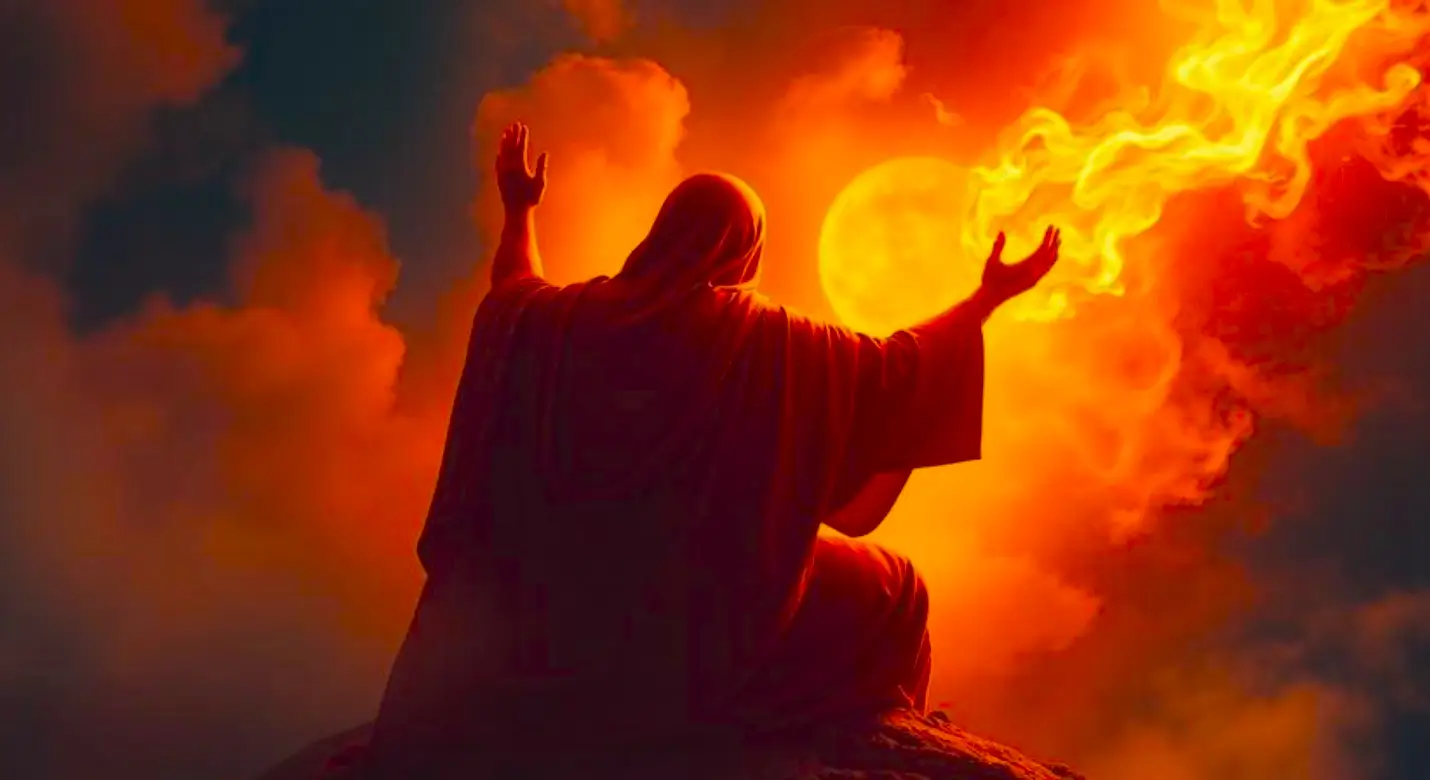
Conversion Across Religious Traditions
Religious traditions understand conversion in very different ways. The following overview highlights some of the most important models.
Conversion in Christianity
In Christianity, conversion is commonly understood as turning toward God through Jesus Christ. It is symbolized by baptism and expressed through repentance, faith, and a transformed life. Different denominations stress different dimensions: evangelical traditions emphasize a personal "born again" experience, liturgical traditions focus on sacramental initiation, and others view conversion as a lifelong process of spiritual growth.
Christianity has historically been a missionary faith, spreading through preaching, translation of scriptures, and cultural adaptation. At the same time, conversion accompanied colonial expansion in many regions, creating legacies of both empowerment and harm that scholars continue to examine.
In contemporary Christianity, conversion remains debated. Some emphasize a decisive moment of faith; others see Christian life as a constant turning toward God. The meaning of conversion is not fixed even within one tradition.
Conversion in Islam
In Islam, conversion is formally marked by reciting the shahada with sincere intention. Islamic tradition teaches that every human being is born with fitrah, a natural disposition toward God, so conversion is often described as a return rather than an entirely new beginning. Islamic law developed detailed rules about converts, apostasy, and religious identity in different schools of thought.
Historically, Islam expanded through trade routes, Sufi missionaries, scholarly exchange, and political structures. In many Muslim contexts, the line between religious and communal identity is complex, and conversion narratives are deeply shaped by local history.
In contemporary Muslim communities, conversion involves learning prayer, community integration, and sometimes navigating family expectations. Legal and cultural consequences vary widely across countries and schools of law.
Conversion in Hinduism and Buddhism
Hinduism and Buddhism present different models of religious identity. In these traditions, belonging is often tied to birth, family, caste, or a chosen spiritual path rather than to exclusive belief in a single doctrine. The Western idea of conversion does not map perfectly onto these categories.
Buddhism spread across Asia through gradual adoption of practices, teachings, and royal patronage. In modern times, B. R. Ambedkar's mass conversion to Buddhism in 1956 showed how conversion can be a social and political act, expressing resistance to caste oppression and creating a new collective identity. Hindu movements have also accepted converts in various contexts, while debates continue about how Hindu identity should be defined.
In contemporary India, conversions between religions remain politically sensitive, and some states regulate them by law. Conversion is never only theological; it is embedded in history, power, and social relationships. Similar narrative patterns also appear in folklore and legends, where change of allegiance often marks a turning point in a hero's journey.

Contemporary Debates, Legal Contexts, and Important Distinctions
Religious conversion today is a matter of legal, political, and social tension. Some countries fully protect the freedom to change religion. Others regulate, restrict, or criminalize conversion through anti-conversion laws, often justified as protecting social order or preventing coercion. International human rights bodies generally hold that the right to change religion includes the right to share one's faith, but not to coerce others.
Important distinctions when reading about conversion:
- Scholarly analysis describes what conversion is, while theology interprets what it should mean
- Religious narratives of conversion may express sincere belief, but they are not the same as documented historical evidence
- Terms for conversion differ across languages and religions: Hebrew gerut, Arabic ihtida, and Sanskrit dharma parivartana carry different cultural connotations
- Deconversion, or leaving a religion, has become a growing field of study and reflects modern views of religious identity as revisable
- Popular accounts often simplify conversion as sudden or purely emotional, while scholarship emphasizes longer processes of change
Sensitivity is essential when discussing conversion, because it touches on personal identity, family relationships, and collective memory. In many communities, conversion is not only an individual choice but a shared experience with durable social consequences.
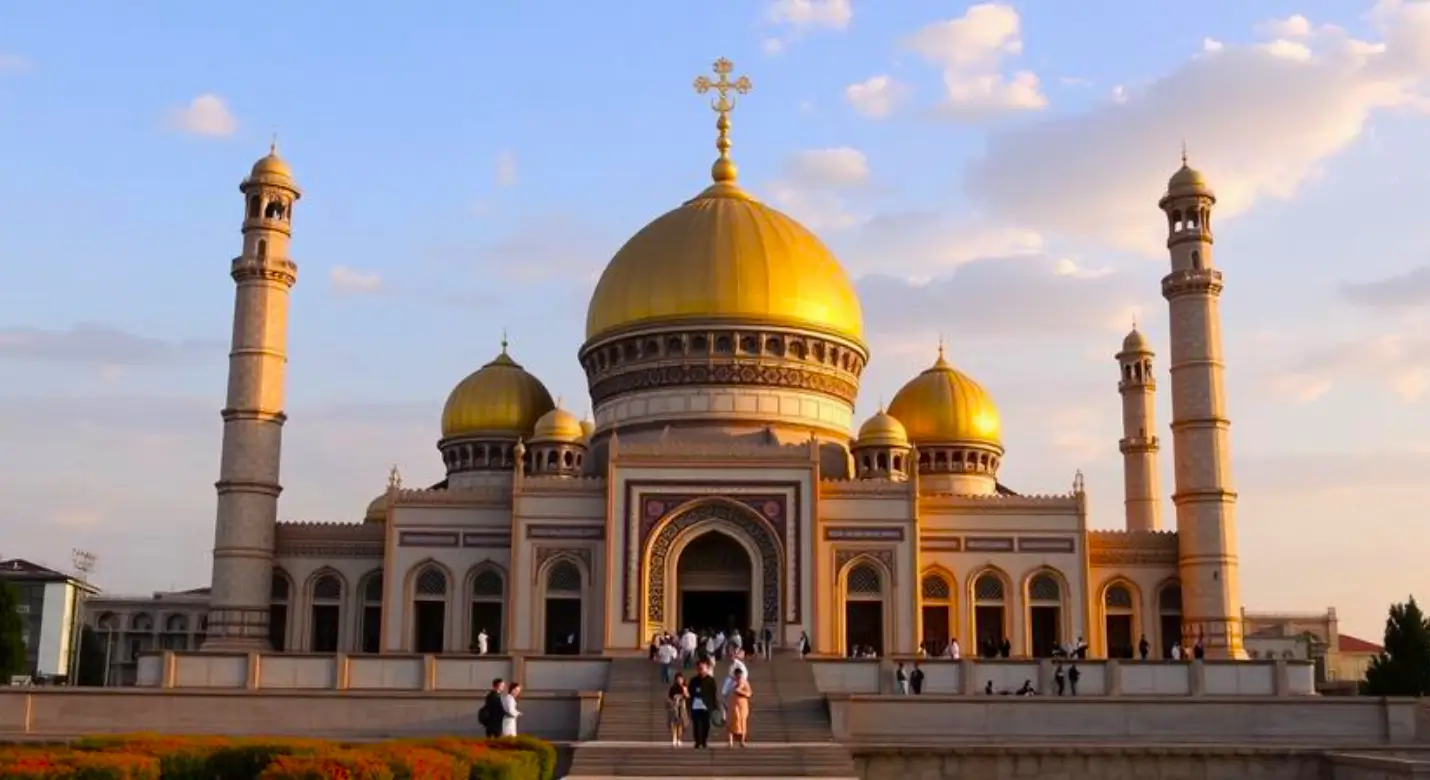
Key Aspects at a Glance
| Topic or Element | Meaning, Role, or Significance | Cultural / Historical Context | Important Distinction / Context |
|---|---|---|---|
| Religious Conversion | Adoption of a new religious identity, belief, or practice | Central to Christianity and Islam; present in many traditions | Experience and theology differ from scholarly analysis |
| Baptism | Christian rite of initiation and entry into the Church | Early Christianity; retained across most denominations | Meaning and mode vary by denomination |
| Shahada | Islamic declaration of faith and formal marker of conversion | Central since early Islam | Requires sincere intention in Islamic law |
| Proselytism | Active effort to persuade others to convert | Associated with Christianity, Islam, and new religious movements | Legal status differs widely across countries |
| Ambedkar's Conversion | Mass conversion to Buddhism as social empowerment | Modern India, Dalit rights movement | Shows conversion as collective, not only individual |
Conclusion
Religious conversion is a multifaceted process that has shaped personal identities, communities, and entire civilizations. Its meaning varies across religions and historical periods, from a personal turning toward God to a collective movement of social transformation. Lore Unbound examines conversion with attention to these differences, respecting both the religious beliefs involved and the need for critical, culturally sensitive analysis.
Understanding conversion requires distinguishing between what traditions teach, what scholars can document, and what remains a matter of belief or interpretation. To continue exploring this theme, readers can discover related rituals and traditions or discover related myths and mythological traditions connected to religious change across cultures.
This content was created with the assistance of Artificial Intelligence as an editorial tool and reviewed by Pedro Neves in accordance with Lore Unbound's editorial standards for clarity, neutrality, cultural context, responsible sourcing, and the distinction between documented evidence, scholarly interpretation, religious belief, mythology, folklore, legend, and traditional narrative. The content is prepared following Lore Unbound's editorial guidelines and quality standards for SEO, GEO, and Artificial Intelligence answer systems.
FAQ About What Is Religious Conversion?
What is religious conversion?
Religious conversion is the process by which a person adopts a new religious identity or belief system, often replacing or reinterpreting a previous one. It can involve a gradual intellectual shift, a sudden personal experience, or formal admission into a faith community. In scholarly and cultural contexts, conversion is understood as both an individual and social phenomenon, with meanings that vary widely across traditions.
What are the main types of religious conversion?
Scholars often describe types such as gradual conversion, sudden conversion, intellectual conversion, social or communal conversion, and forced conversion. Some traditions also distinguish between conversion as inner change of belief and conversion as formal adoption through a ritual. These categories are not fixed and can overlap.
Is religious conversion the same as being born into a religion?
No. Being born into a religion is usually called socialization, upbringing, or inherited religious identity, not conversion. Conversion generally involves a conscious change or affirmation of belief and belonging that is distinct from simply growing up in a faith community. Certain traditions may use conversion language for adult reaffirmation or formal entry of children.
What role do rituals play in religious conversion?
Rituals often mark and validate conversion within a community. Examples include baptism in Christianity, the shahada in Islam, and conversion ceremonies in Judaism and Buddhism. Rituals can symbolize purification, rebirth, or acceptance into a new community, and they often serve as public testimony of the convert's commitment.
Why do people convert to another religion?
People convert for many reasons, including personal conviction, religious experiences, marriage, family pressure, social belonging, community service, or a search for meaning and healing. Conversions may also be motivated by social or political circumstances in some historical contexts. Individual testimonies and scholarly studies emphasize that motivations are often complex and cannot be reduced to one cause.
Is religious conversion mentioned in sacred texts?
Many sacred texts describe individuals or groups adopting a new faith, but they do not all use a single concept of conversion. The Hebrew Bible includes examples of foreigners joining Israel and accepting its God. The New Testament describes the early Christian missions and the turning of hearts toward Jesus. The Quran recognizes some people as those who enter Islam or embrace submission to God. The term conversion itself is an interpretive category used by later readers and translators.
What is the difference between religious conversion and forced conversion?
Religious conversion is generally understood as a voluntary change of religious identity or conviction. Forced conversion occurs when people are compelled by threat, violence, law, or social pressure to adopt a religion against their will. In contemporary international human rights discussions, freedom of religion requires that conversions be voluntary, and forced conversion is widely rejected as a violation of religious freedom.
How have governments and societies regulated religious conversion?
Throughout history, governments and religious institutions have regulated conversion through laws, decrees, and social expectations. Some empires required religious conformity, while others allowed limited conversion under certain conditions. In modern times, some countries have anti-conversion laws, restrictions on proselytism, or procedures for legally changing religious status. These regulations reflect different political, legal, and cultural relationships between religion and state.
What are common misconceptions about religious conversion?
A common misconception is that conversion is always sudden or purely emotional. In fact it often takes months or years and involves reflection. Another is that converts always leave their previous community entirely, when many maintain cultural ties or retain practices. Another is that conversion is always coerced or always completely free, while real historical situations often include mixed motives. Conversion does not always erase a person's previous worldview; it may reshape it.
How does religious conversion relate to apostasy and reconversion?
Apostasy is the voluntary abandonment or rejection of a religious faith, sometimes seen as the reverse of conversion. Reconversion is the act of returning to a religion a person previously belonged to or left. Different traditions view apostasy and reconversion in various ways, and some have legal or social consequences for both. These concepts together help explain religious identity as dynamic rather than fixed.
Author: Editorial Team – Lore Unbound
Reviewed by: Pedro Neves
Article produced and published in accordance with our Editorial Policy: https://loreunbound.com/editorial-policy/
Published on: August 25, 2026
Website content categories:
This content is part of the Lore Unbound editorial ecosystem, which includes:
Related Content