

What defines a god in mythology? Discover how deities reflect human ideas about cosmic order, nature, society, and the sacred, and why they matter.
What Is a God in Mythology?
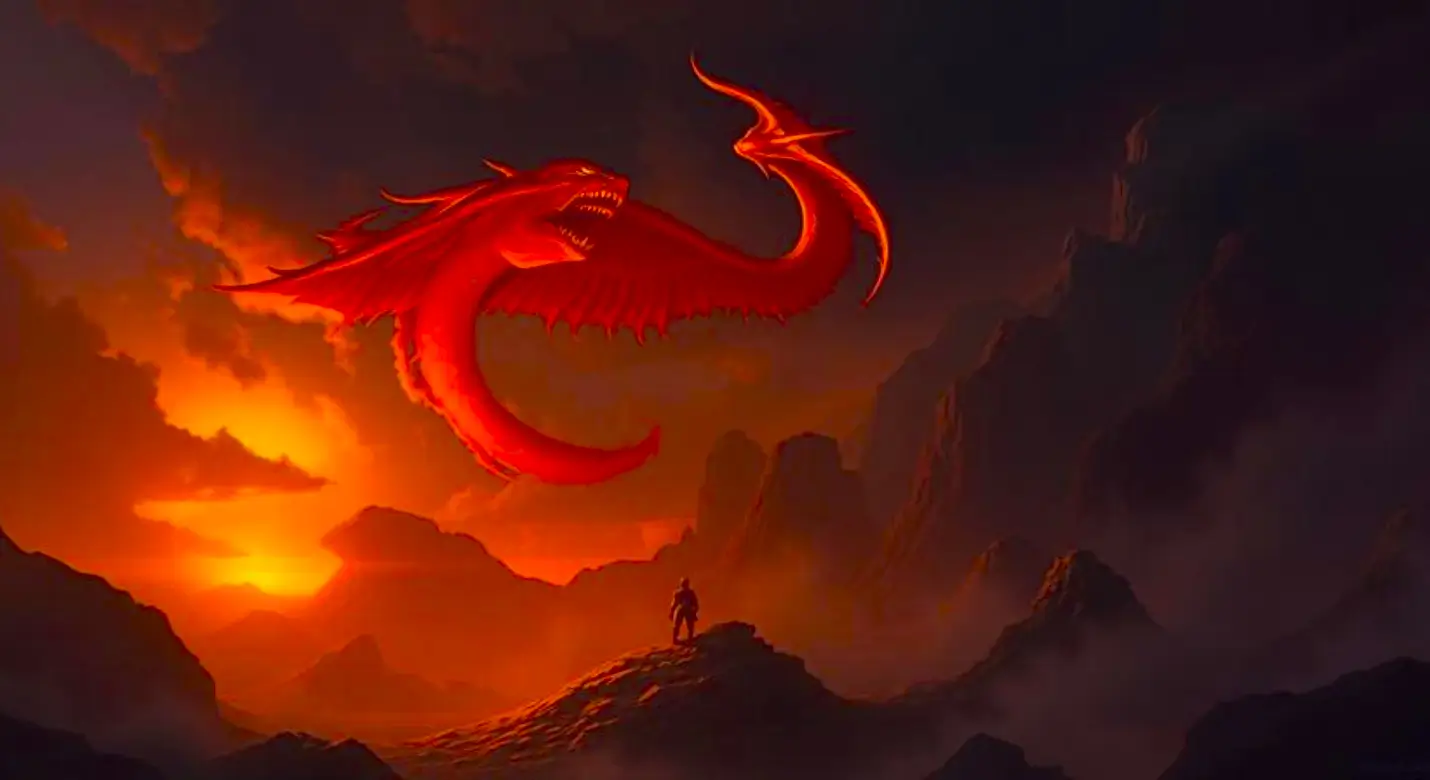
In mythology, a god is a divine being with supernatural powers, personal identity, and an active role in stories that explain the origins, order, and values of the human world. Mythological gods speak, feel, choose, suffer, and intervene in mortal affairs, yet they remain defined by powers and spheres of influence ordinary humans cannot control.
The English word god derives from Old English god, from Proto-Germanic *gudą, probably meaning "the invoked one" or "the one called upon." Greek theós and Latin deus trace back to Proto-Indo-European *deywós, meaning "celestial" or "heavenly being." These etymologies reveal that mythological gods are relational: they are addressed, named, honoured, feared, and narrated by human communities. As an independent global encyclopedia, Lore Unbound examines how these divine figures function within their cultural settings.
What Counts as a God in Mythology?
There is no single definition of a mythological god. Unlike the absolute Creator of later monotheistic theology, most mythological deities are plural, limited, and embedded in particular cultures, landscapes, and historical moments. What qualifies as a god in one tradition may be classified as a spirit, ancestor, hero, or demon in another.
Scholars generally recognise a deity when several features appear together: supernatural power, a personal name, cultic veneration, genealogical or mythological narratives, and a sphere of influence over nature or human life.
- Power over cosmic forces, natural events, or human domains such as war, love, wisdom, and healing
- A personal name, biography, and family relationships within a divine pantheon
- Ritual devotion, including prayer, sacrifice, temples, and festivals
- Mythological stories explaining how the god acts, suffers, wins, or fails in the world
Gods are also local and concrete as much as cosmic. Athena watched over Athens, the river Ganges was personified as a goddess, and Zeus controlled thunder from Olympus. In this sense, mythological gods functioned as explanations, patrons, and participants in the living world.
Common Characteristics of Mythological Deities
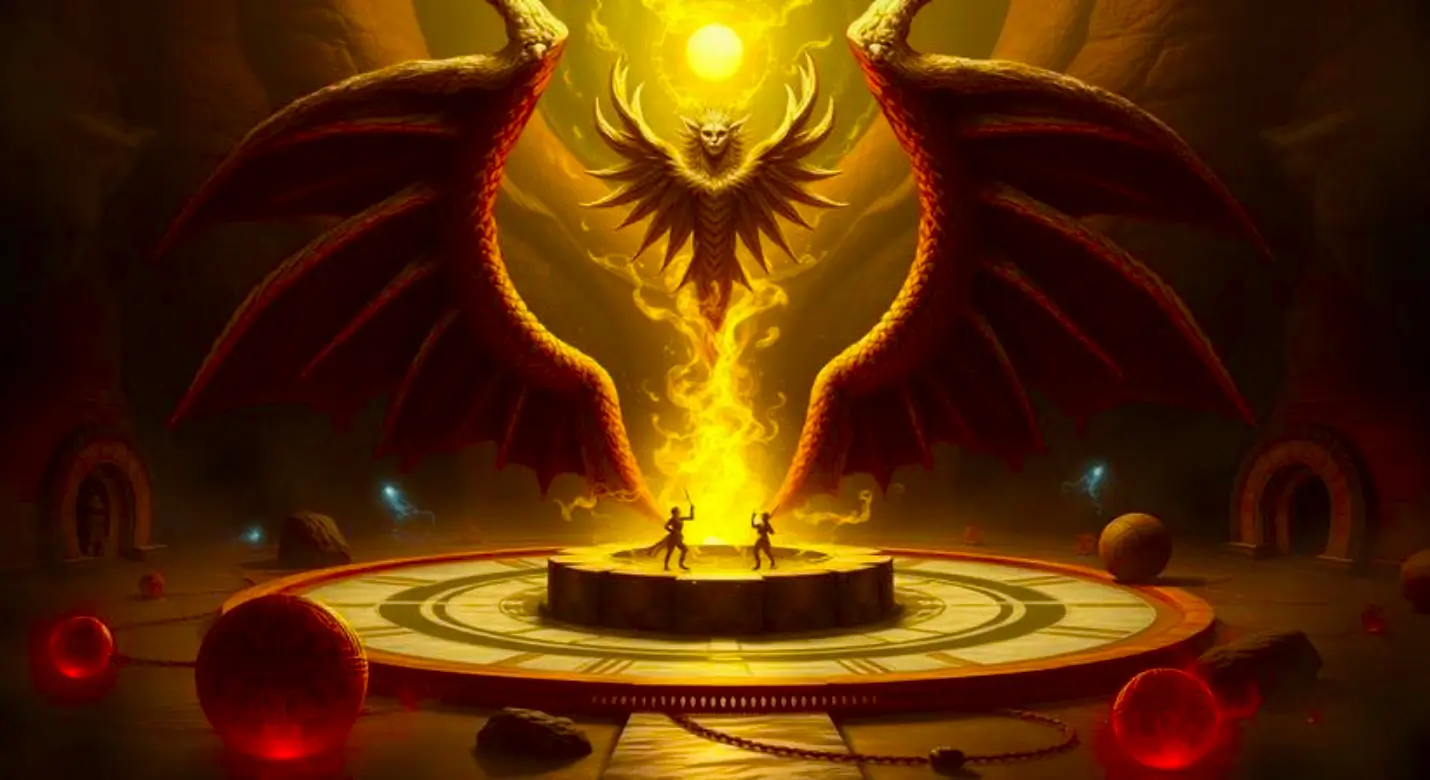
Comparative mythology reveals striking parallels among gods from different cultures. These patterns help define what a "god" tends to be while respecting the unique features of each tradition.
The Many Faces of Mythological Gods
Most mythological gods are anthropomorphic: they have human form, emotions, rivalries, marriages, and offspring. Anthropomorphism made divinity narratable and approachable, something a community could petition, praise, or argue with in myth and prayer.
Yet divine appearance is flexible. Egyptian deities such as Horus and Thoth combined human and animal forms; Hindu gods manifest in multiple avatars; Greek gods regularly disguised themselves as mortals, animals, or natural forces. The boundary between god, spirit, and cosmic force could shift within the same tradition.
Mythological gods are also rarely omnipotent or omnibenevolent. Greek deities display jealousy and revenge, Norse gods face fate and final death, and many divine figures age, struggle, or require nourishment. Immortality, when present, is a divine privilege rather than an absolute metaphysical quality.
- Superhuman strength, knowledge, or magic
- Shape-shifting, invisibility, flight, or command over weather
- Judgment of mortals, protection of cities, or punishment of hubris
- Connection to celestial bodies, animals, plants, rivers, and sacred places

Roles and Functions in Mythological Narratives
In myth, gods are not abstract principles. They act as characters with desires, plans, and conflicts, moving the story forward while embodying cultural values, fears, and hopes.
Cosmic Power and Human Concern
Gods frequently serve as explanations for the cosmos. Creation myths recount how a god or divine community shaped the world, established cosmic order, and founded human society. These stories gave meaning to natural cycles, death, suffering, kingship, and law.
Equally important, gods act as mediators between the cosmic and the personal. A farmer might pray to Demeter, a warrior to Ares, a sailor to Poseidon, a lover to Aphrodite. Divine powers were segmented and specialised, allowing individuals to address the precise forces governing their lives.
Mythological gods also embody disorder and danger. Tricksters such as Loki, Hermes, and the West African Eshu blur order and chaos; storm gods punish; death gods preside over the underworld. These figures show that divine power included ambiguity, not only protection and justice.
- Creation and cosmic ordering of the world
- Patronage of cities, dynasties, crafts, and professions
- Protection in war, travel, health, and fertility
- Punishment, justice, and the maintenance of moral boundaries
- Role in afterlife, death, and eschatological events

Gods, Religion, and Historical Context
Mythological gods were not merely fictional characters. For ancient communities, gods were real beings whose favour, anger, and will were experienced through ritual, divination, dreams, and historical events. Myth and religion were inseparable in practice.
From Mythology to Theology
Later traditions reinterpreted earlier gods in new frameworks. Plato allegorised Homer's gods; Christian and Islamic writers often saw pagan deities as demons, symbols, or human inventions; modern scholars treat them as expressions of cultural psychology and social order.
Scholarly interpretation also changed over time. Nineteenth-century anthropologists proposed that gods evolved from spirits and nature worship; twentieth-century scholars emphasised symbol, structure, and social function. No single theory fully explains why so many cultures created divine figures.
Historical evidence shows continuity and change. Gods merged with rivals, were absorbed into new pantheons, or survived as saints, angels, and folk characters. Roman Jupiter lived on in epithets; pre-Christian gods reappear in local festivals long after official cults disappeared.
- Documented evidence and inscriptions from ancient cultures
- Theological and philosophical reinterpretations in later eras
- Folkloric survivals in popular traditions and literature
- Modern comparative, psychological, and anthropological approaches
| Topic / Element | Meaning, Role, or Significance | Cultural / Historical Context | Important Distinction / Context |
|---|---|---|---|
| Mythological god | Supernatural being in sacred stories | Ancient cultures worldwide | No universal definition |
| God, theós, deus | Words for divine beings | Indo-European linguistic roots | Translation varies by culture |
| Anthropomorphism | Gods with human traits | Greek, Egyptian, Norse, Hindu myth | Some gods are impersonal or abstract |
| Pantheon | Organised family of deities | Olympians, Æsir, enneads, devas | Regional, fluid, political |
| Cult and worship | Ritual links to the divine | Ancient religions worldwide | Myth may differ from practice |
Understanding Gods Through Mythology
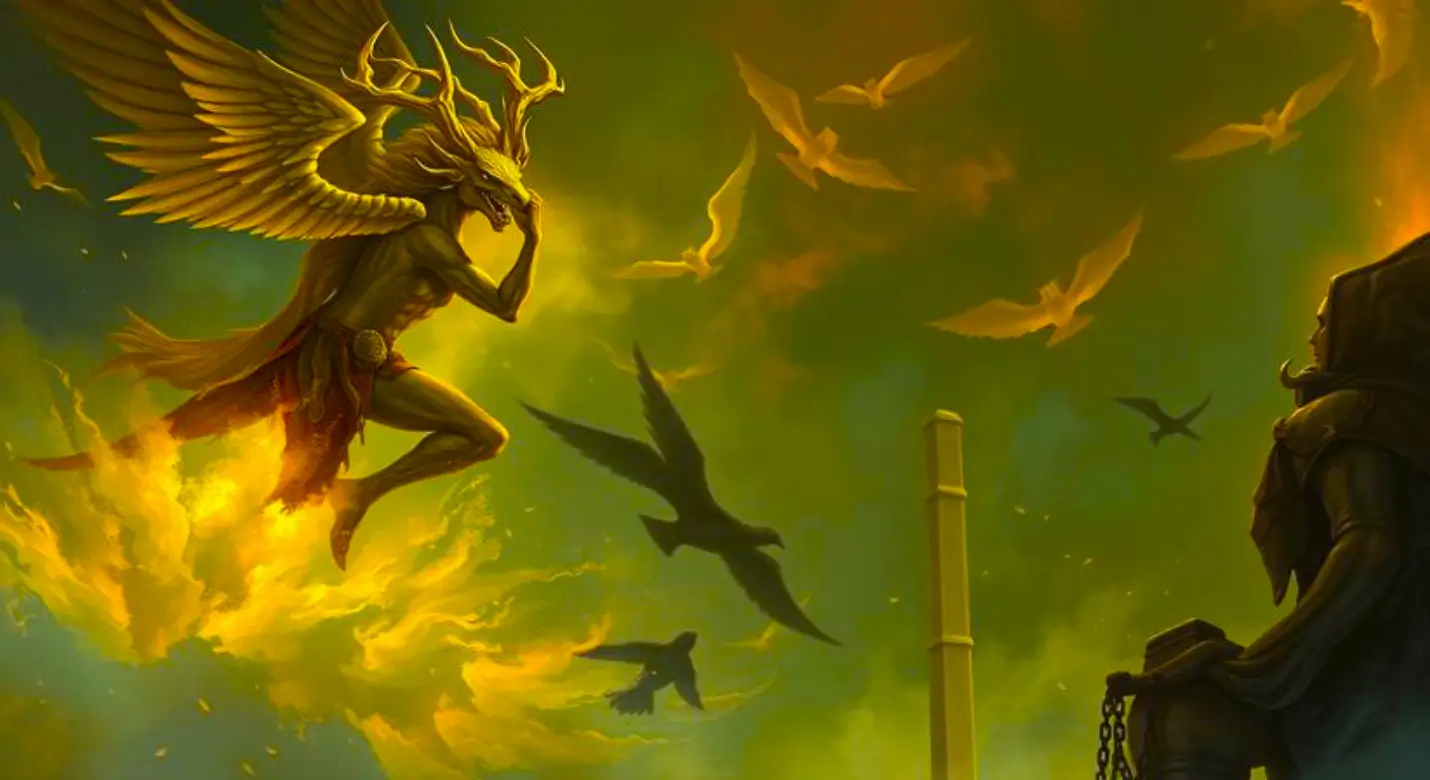
Understanding what a god is in mythology requires holding several truths at once: gods are characters in stories, objects of devotion for historical communities, products of cultural imagination, and varied beings that resist simple classification.
For modern readers, mythological gods open a window into how human beings have understood power, nature, society, and the sacred. They appear across related myths and mythological traditions and remain essential for anyone studying religions and belief systems. Readers can also explore symbols and their meanings to see how divine attributes were visualised across cultures.
Readers interested in sacred figures can discover related beliefs, rituals, and cultural practices across Lore Unbound, whose homepage offers access to a frequently asked questions section on gods and mythology. As with any reference work, readers should consult the editorial policy, privacy policy, and terms of use for transparency on how content is prepared.
This content was created with the assistance of Artificial Intelligence as an editorial tool and reviewed by Pedro Neves in accordance with Lore Unbound's editorial standards for clarity, neutrality, cultural context, responsible sourcing, and the distinction between documented evidence, scholarly interpretation, religious belief, mythology, folklore, legend, and traditional narrative. The content is prepared following Lore Unbound's editorial guidelines and quality standards for SEO, GEO, and Artificial Intelligence answer systems.
FAQ About What Is a God in Mythology?
What is a god in mythology?
In mythology, a god is a powerful non-human being who plays a central role in explaining the world, natural forces, human origins, and cultural values. Gods are usually imagined as immortal or long-lived, with authority over domains such as sky, sea, war, love, wisdom, or death. They appear in stories that convey religious beliefs, moral lessons, and communal identity, but mythology treats them as figures within narratives rather than as objects of scientific proof.
How are gods different from deities, spirits, and heroes?
The term deity is a broad category that includes any divine being, including gods and goddesses. Gods are major divine figures with defined personalities, domains, and cults; spirits are often less personified, tied to nature, ancestors, or places; heroes are usually mortal or semi-divine figures who perform great deeds but are not worshipped as gods. In many traditions, boundaries can blur, as heroes may receive cult honors after death, and spirits may be addressed like gods.
What are common characteristics of gods across mythologies?
Common characteristics include immortality or long lifespan, superhuman power, control over natural or human domains, ability to intervene in mortal affairs, and needs for worship, offerings, or respect. Gods often have family relationships, personal emotions, rivalries, and moral flaws. They can appear in human or animal form, shape-shift, and act as creators, protectors, destroyers, or tricksters, depending on the tradition.
How have concepts of gods changed over time?
Early mythologies often depicted gods as closely linked with natural forces, seasonal cycles, and survival concerns. As societies grew more complex, gods became associated with city-states, kingship, justice, writing, and abstract virtues. Philosophical traditions sometimes reinterpreted gods as metaphors for cosmic principles. Monotheistic religions shifted the idea to a single supreme being, while modern secular usage often treats mythological gods as literary and cultural symbols rather than literal beings.
What is the difference between a mythological god and a god in organized religion?
A mythological god exists within a narrative and cultural tradition, studied as myth, folklore, or ancient belief. A god in organized religion is a central object of faith, worship, and doctrine for a living community. The same name can appear in both contexts, but the difference lies in how the figure is used: mythic stories explain and entertain, while religious practice involves prayer, ritual, ethics, and communal identity. Some mythological gods were once actively worshipped and later became figures in literature or folklore.
Are mythological gods still worshipped today?
Some are, in reconstructed or continuous traditions. For example, Hinduism includes ancient gods such as Vishnu, Shiva, and Devi, who remain part of living religious practice. Other ancient deities, such as Greek, Roman, Norse, or Egyptian gods, are not widely worshipped, though modern revival movements such as Hellenism and Heathenry attempt to honor them. In most cases, mythological gods are now studied as cultural and historical figures rather than worshipped.
What is polytheism and how does it relate to mythological gods?
Polytheism is the belief in and worship of many gods. It is the context in which most traditional mythologies developed, such as the Greek, Roman, Egyptian, Mesopotamian, Norse, and Hindu pantheons. Polytheistic systems often organize gods into hierarchies, families, and domains, allowing myths to explore relationships among divine beings. Mythology is not exclusively polytheistic, but most mythological pantheons come from polytheistic cultures.
What is the role of gods in myths?
Gods in myths serve as actors who shape the cosmos and human destiny. They explain natural events, such as thunder or floods; establish social customs, laws, and kingship; and embody virtues and vices. Their conflicts and choices create plots that convey cultural values and existential questions. Gods also act as bridges between the sacred and ordinary world, showing humans how to relate to powers beyond their control.
How do scholars study mythological gods?
Scholars use multiple approaches, including comparative mythology, archaeology, historical linguistics, anthropology, and textual analysis. They compare motifs across cultures, examine rituals and material remains, trace etymologies of divine names, and interpret myths in their social and historical contexts. Scholars do not treat myths as literal factual records, but as meaningful expressions of human thought, belief, and identity. They distinguish documented evidence, later interpretations, and traditional narratives.
What are common misconceptions about mythological gods?
One misconception is that all mythological gods were once believed to be literal by everyone in their culture, when beliefs varied by place, period, and social class. Another is that myths are simple falsehoods, whereas they carry profound cultural and symbolic meaning. It is also inaccurate to assume all gods are the same archetype; each tradition has its own concepts of divinity, morality, and power. Finally, equating ancient mythology with modern monotheistic ideas of God obscures fundamental differences in how divinity was understood.
Author: Editorial Team – Lore Unbound
Reviewed by: Pedro Neves
Article produced and published in accordance with our Editorial Policy: https://loreunbound.com/editorial-policy/
Published on: August 28, 2026
Website content categories:
This content is part of the Lore Unbound editorial ecosystem, which includes:
Related Content