
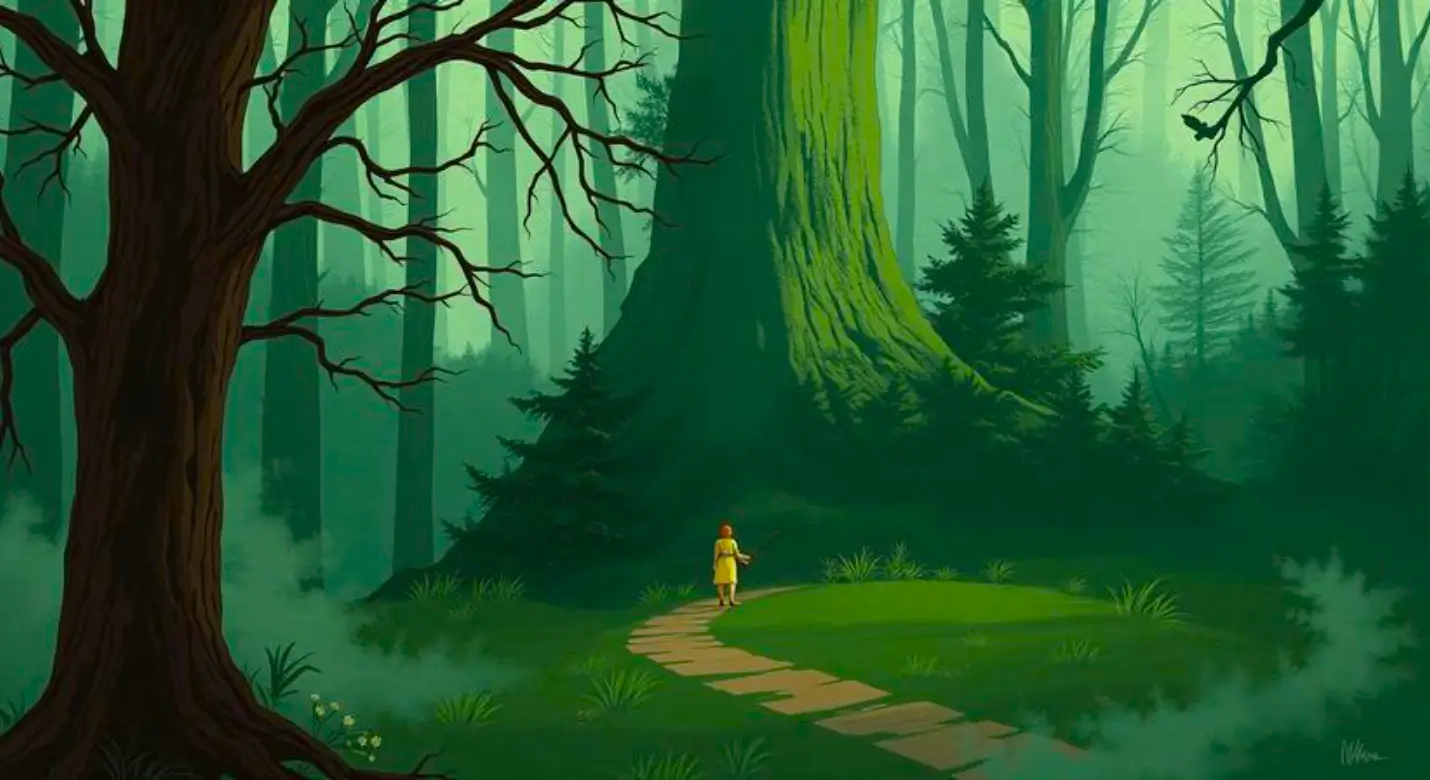
Folktales change because they are retold: each generation reshapes stories to fit new languages, audiences, and values. Here is why variation matters.
The Living Nature of Oral Tradition
Folktales are not fixed texts in oral tradition. Unlike written literature, which can preserve a single version for centuries, an orally transmitted tale is recreated each time it is told. Storytellers draw on memory, audience, and creativity, so no two performances are exactly the same.
This flexibility is the main reason folktales change over time. Each time a story passes to a new teller, it is filtered through that person's memory, language, and worldview. Small changes accumulate across generations until a tale looks very different from its earlier forms.
Memory and the Patterns of Retelling
Oral storytellers remember the skeleton of a tale rather than its exact wording. Common plot structures, repeated formulas, and stock characters help both teller and audience follow the story. These patterns preserve the core and allow improvisation.
Research shows that narrators may shorten, expand, reorder, or combine episodes depending on the occasion. A detail one teller considers essential may be forgotten by another. The audience also plays a role: laughter, silence, or questions can push the story in new directions.
The most important factors driving variation in oral retelling include:
- Memory limitations and reliance on narrative formulas
- Audience reactions, interruptions, and participation
- The personal style, skill, and creativity of each storyteller
- Changes in language, dialect, and pronunciation over time
- Contact with neighboring stories, traditions, and cultural practices
Scholars treat this variation not as corruption but as the natural life of tradition. Readers can learn more about folklore and legends and how oral cultures transmit knowledge across generations.
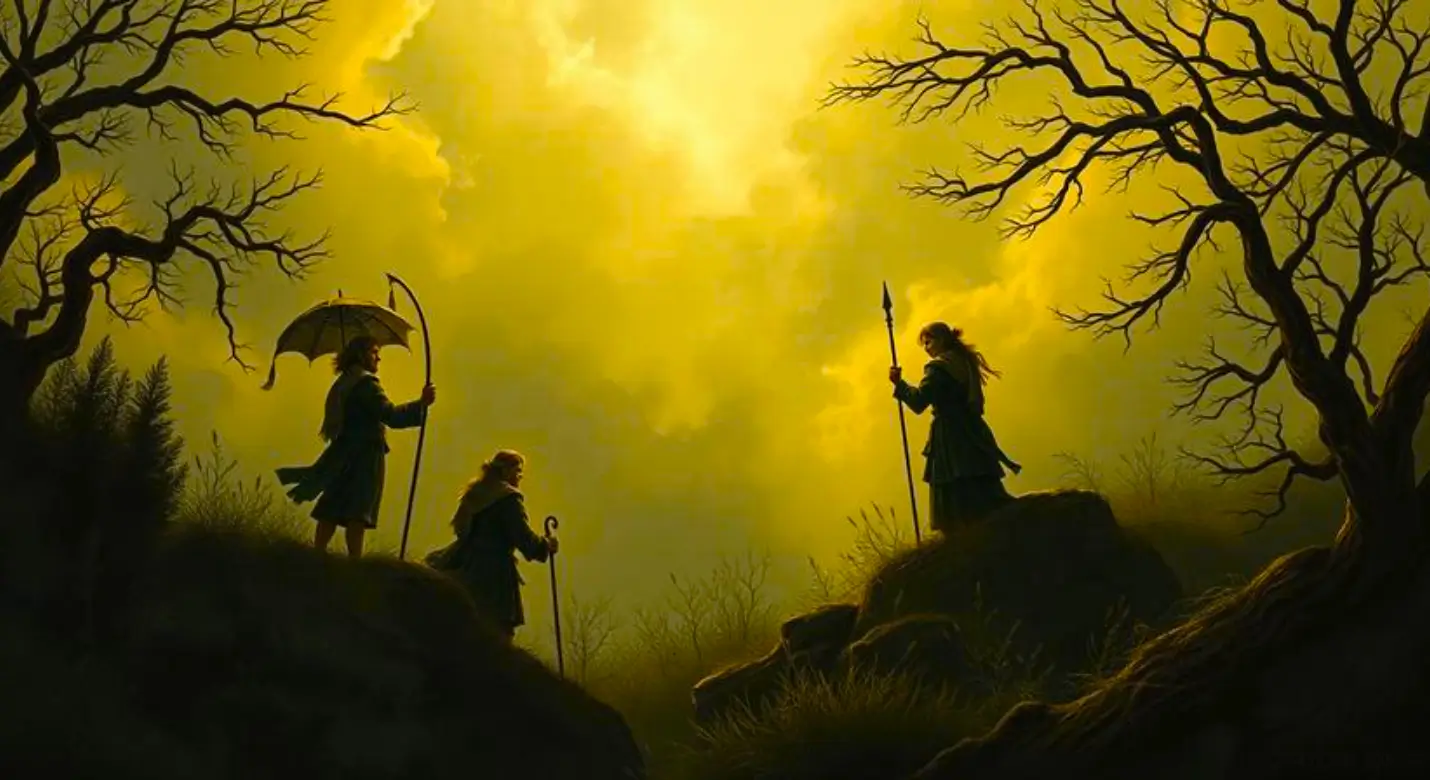
Cultural Adaptation and Historical Change
Folktales also change because they travel across cultures, religions, and eras. A story born in one region is often reshaped to fit the beliefs, customs, and social norms of another. Characters may receive new names, settings may shift, and supernatural elements may be reinterpreted.
Migration, trade, conquest, and colonization have carried tales across vast distances. As stories cross borders, they absorb local elements. A tale rooted in one religion may be adapted to another tradition; a legend set in a valley may be relocated to a local mountain, forest, or village.
Stories Adjust to New Beliefs and Values
When a folktale enters a new cultural environment, it often changes to reflect local moral teachings. A trickster celebrated for cunning in one culture may become a warning against dishonesty in another. Ideas about gender, family, authority, and justice shape how the plot is told.
Historical events also leave their mark. War, famine, migration, or religious conversion can alter the tone of a tale, adding new fears, hopes, or political meanings. Versions of the same tale collected in different centuries can therefore differ dramatically in mood and message.
Common forms of cultural adaptation include:
- Changing character names to local equivalents
- Replacing unfamiliar animals or plants with local ones
- Adjusting moral lessons to match local values
- Relocating settings to recognizable places
These transformations are active acts of storytelling, not passive errors. Communities remake stories so they remain meaningful. Readers can explore more religions and belief systems to see how tales travel across cultures.

Language, Names, and Translation
Linguistic change is one of the most visible reasons folktales vary. Languages evolve constantly: words become obsolete, grammatical structures shift, and pronunciations drift. When a tale is retold in a new dialect or translated into another language, further changes are unavoidable.
Etymology and the Drift of Meaning
A character's name or a place name may lose its original meaning after generations of retelling. When the old meaning is forgotten, communities often invent a new explanation, a process known as folk etymology. This can generate new plot details, such as a name that becomes the reason for a curse or a quest.
Translators face similar challenges. Puns, proverbs, rhymes, and wordplay rarely survive direct translation, so storytellers replace them with equivalents that work in the new language. These substitutions may change the story's tone or humor, but they keep the tale alive.
Examples of linguistic transformation include:
- Old words replaced by modern synonyms
- Names reinterpreted through folk etymology
- Rhymes and puns adapted to new languages
- Dialect differences altering phrasing and rhythm
Linguistic variation also explains why closely related cultures can have different versions of the same tale. The same tale type may develop unique regional color as words, names, and expressions evolve. Readers can explore related myths and mythological traditions to see this process in action.

Scholarly Study of Folktale Variation
Scholars have studied folktale variation for more than a century. Comparative folklore brings together versions of the same tale from different cultures and periods to understand how stories spread and evolve.
Classification Systems and Comparative Research
The Aarne–Thompson–Uther Index, or ATU Index, is a widely used classification system for folktales. It organizes tales by type and motif to identify parallels across cultures. A tale type is the overall plot; a motif is a smaller unit, such as a magic object or a test the hero must pass.
Scholarly interpretations differ. Some emphasize memory and oral performance; others focus on cultural diffusion or universal patterns of imagination. Most agree that multiple forces operate together.
The table below summarizes the main elements that explain why folktales change over time:
| Topic / Element | Meaning / Role | Cultural / Historical Context | Important Distinction / Context |
|---|---|---|---|
| Oral transmission | Central cause of variation; each retelling recreates the tale | Present in all oral storytelling cultures | An oral performance is not the same as a fixed written text |
| Aarne–Thompson–Uther Index | Classification tool for tale types and motifs | Developed by folklorists in the 20th century and later expanded | A scholarly reference tool, not an authoritative canon of stories |
| Cultural adaptation | Reshapes stories to fit local beliefs, values, and landscapes | Linked to migration, trade, conquest, and religious contact | Variation reflects active creativity, not simple deterioration |
| Folk etymology | Creates new meanings for old or unfamiliar words and names | Common whenever languages change across generations | Can generate new plot details absent from earlier versions |
Understanding a folktale requires understanding its variations, not just one version. Comparisons reveal which parts remain stable and which parts are flexible. Readers who wish to go deeper can explore symbols and their meanings across different storytelling traditions.

Why Variation Matters
The changeability of folktales is not a flaw; it is a sign of vitality. A tale that keeps being told keeps living, adapting to each generation while carrying traces of older worlds. Variation allows stories to survive centuries of change.
Understanding why folktales change helps readers appreciate the stability and flexibility of oral tradition. The emotional core of a story may endure for centuries even when names, settings, and details shift, linking modern audiences to distant cultures.
These patterns connect to broader questions about how human beings create meaning. The focus here has been on the mechanics of variation, but the same curiosity can be applied to many subjects. Learn about related historical and cultural concepts across the Lore Unbound encyclopedia.
This content was created with the assistance of Artificial Intelligence as an editorial tool and reviewed by Pedro Neves in accordance with Lore Unbound's editorial standards for clarity, neutrality, cultural context, responsible sourcing, and the distinction between documented evidence, scholarly interpretation, religious belief, mythology, folklore, legend, and traditional narrative. The content is prepared following Lore Unbound's editorial guidelines and quality standards for SEO, GEO, and Artificial Intelligence answer systems.
FAQ About Why Do Folktales Change Over Time?
What is a folktale?
A folktale is a traditional narrative passed through generations, usually by word of mouth, within a community. It often includes ordinary people, animals, magical elements, moral lessons, or explanations of local customs. Folktales are part of folklore and reflect the values, fears, humor, and worldview of the people who tell them. Unlike literary works with a known author, folktales exist in many versions and belong to a shared cultural tradition.
Why do folktales change over time?
Folktales change because they are transmitted orally and recreated during every telling. Each storyteller adapts a tale to suit a new audience, setting, or purpose, and small changes accumulate across generations. Memory errors, personal creativity, cultural shifts, and contact with other traditions also contribute. Because there is no fixed original text in oral tradition, variation is a natural and expected feature of folktales rather than a mistake.
What role does oral tradition play in changing folktales?
Oral tradition is the main engine of change. When a tale is spoken rather than read, it depends on memory, performance, and audience response. Tellers may forget details, replace unfamiliar words, simplify or expand episodes, and combine elements from other stories. The live interaction between teller and listeners encourages improvisation, so each performance can produce a new version of the same tale.
How do cultural contexts influence folktale changes?
Folktales change to remain meaningful in different times and places. When cultural values, social structures, religious beliefs, or daily life change, storytellers adjust characters, settings, punishments, rewards, and moral messages. For example, a tale about survival in a farming community may be reshaped around merchants, sailors, or modern urban life when told elsewhere. This keeps the story relevant but can significantly alter its details and emphasis.
What are folktale motifs and why do they change?
Motifs are recurring building blocks in folktales, such as magical objects, talking animals, impossible tasks, or transformation. They change because motifs can be borrowed, adapted, or replaced depending on local tastes and available cultural symbols. A motif that is powerful in one region may be meaningless in another, so tellers substitute a more familiar equivalent. This is why similar story types appear worldwide with different surface details.
What is a variant in folklore studies?
A variant is any distinct version of a folktale that differs from others in plot details, characters, wording, style, or conclusion. Folklorists study variants to understand how stories travel and evolve. Comparing variants can reveal historical relationships between communities, cultural exchanges, and the ways values and beliefs shape storytelling over time.
How do migration and cultural contact affect folktales?
Migration and cultural contact bring folktales into new environments where they mix with local narratives. People carry stories when they move, and those stories are retold in new languages and social conditions. Contact through trade, conquest, marriage, and shared festivals also allows motifs and plot elements to cross borders. This can create hybrid tales that blend traditions from multiple cultures.
What is the difference between a folktale and a literary fairy tale?
A folktale is an anonymous oral narrative that changes with each telling and has no fixed author. A literary fairy tale is a written story composed by a known author, such as those by Charles Perrault, the Brothers Grimm, or Hans Christian Andersen. Literary fairy tales often draw inspiration from folktales but fix the narrative in a specific text. When written versions are widely read, they can influence later oral retellings, creating a two-way exchange between oral and literary traditions.
Do modern media and books change folktales?
Yes. Printed books, films, television, and digital media spread specific versions of folktales to massive audiences. These versions can become familiar standards that influence or replace local oral variants. At the same time, modern adaptations may introduce new themes, characters, and endings that reflect contemporary values. The process of change continues, but it now operates through media industries as well as face-to-face storytelling.
How do scholars study changes in folktales?
Scholars compare versions of the same tale type across regions and periods using archives, historical texts, and field recordings. They analyze changes in motifs, characters, settings, and moral meanings to trace migration routes and cultural influences. The historic-geographic method, also called the Finnish method, was developed to map and compare variants, while newer approaches examine performance context, gender, politics, and social function. Because many folktales were not recorded until recent centuries, scholarly conclusions about ancient origins are often tentative and based on indirect evidence.
Author: Editorial Team – Lore Unbound
Reviewed by: Pedro Neves
Article produced and published in accordance with our Editorial Policy: https://loreunbound.com/editorial-policy/
Published on: August 31, 2026
Website content categories:
This content is part of the Lore Unbound editorial ecosystem, which includes:
Related Content