
Folklore emerges through oral transmission, cultural exchange, and constant reinvention, shaping shared stories, customs, and beliefs across generations.
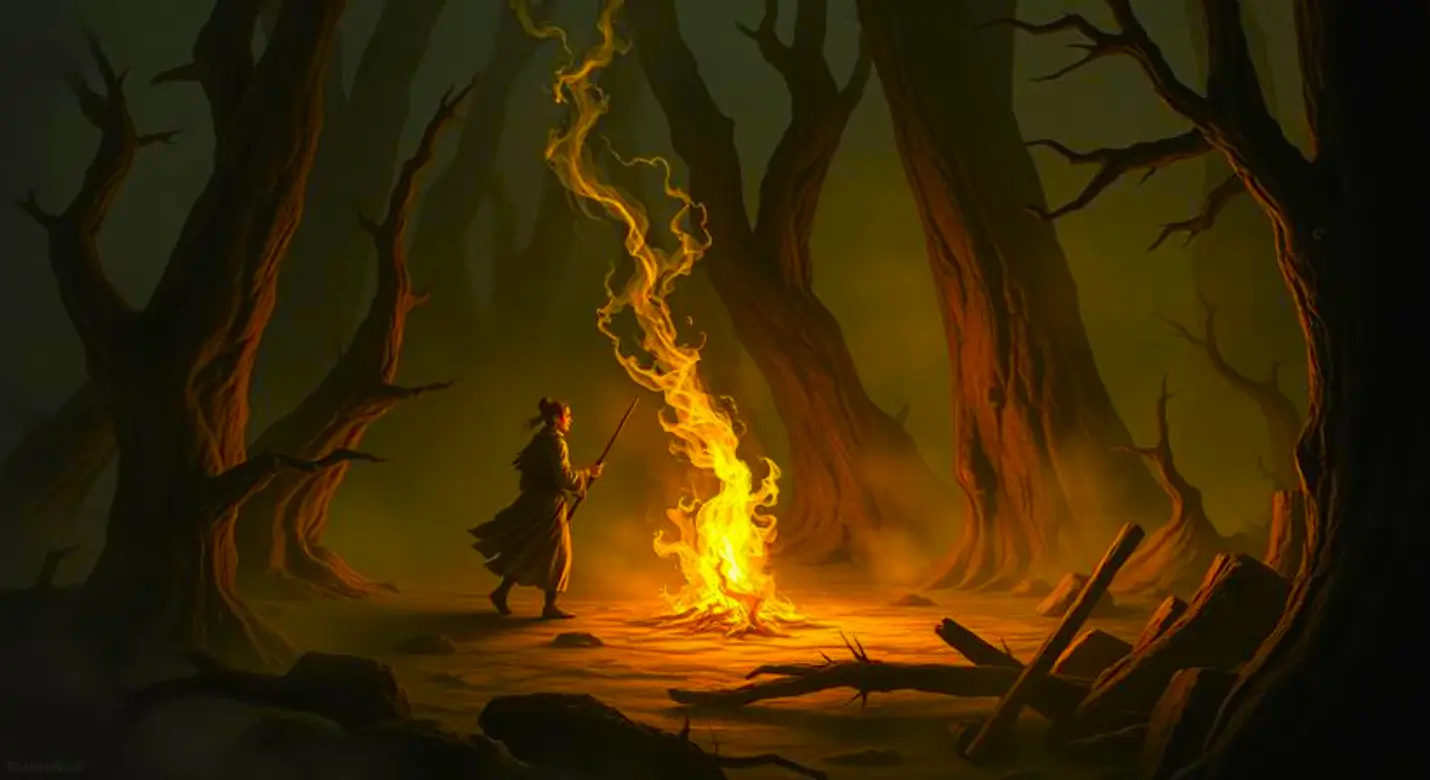
What Is Folklore and How Does It Develop?
Folklore is the expressive culture shared by a community, including narratives, music, customs, festivals, crafts, and beliefs. It is learned informally through participation and imitation rather than through formal instruction. Folklore develops whenever people create shared meaning and pass it to others across generations.
The development of folklore is continuous. A story told at a family gathering, a lullaby sung to a child, or a dance performed during a harvest festival each contribute to a tradition that may last for centuries. Because folklore lives in performance, it changes with every retelling.
Scholars describe this process using concepts such as tradition, variation, and transmission. Tradition refers to what a community preserves. Variation refers to how each performance differs from others. Transmission refers to the movement of folklore across time, space, and social groups.
Within the historical context of folklore studies, researchers have learned that folk culture is never a passive inheritance. It is actively maintained, reinterpreted, and communicated through each generation's choices. Readers who wish to explore more religions and belief systems or understand how symbols acquire meaning will find that folklore connects with many other areas of human expression.
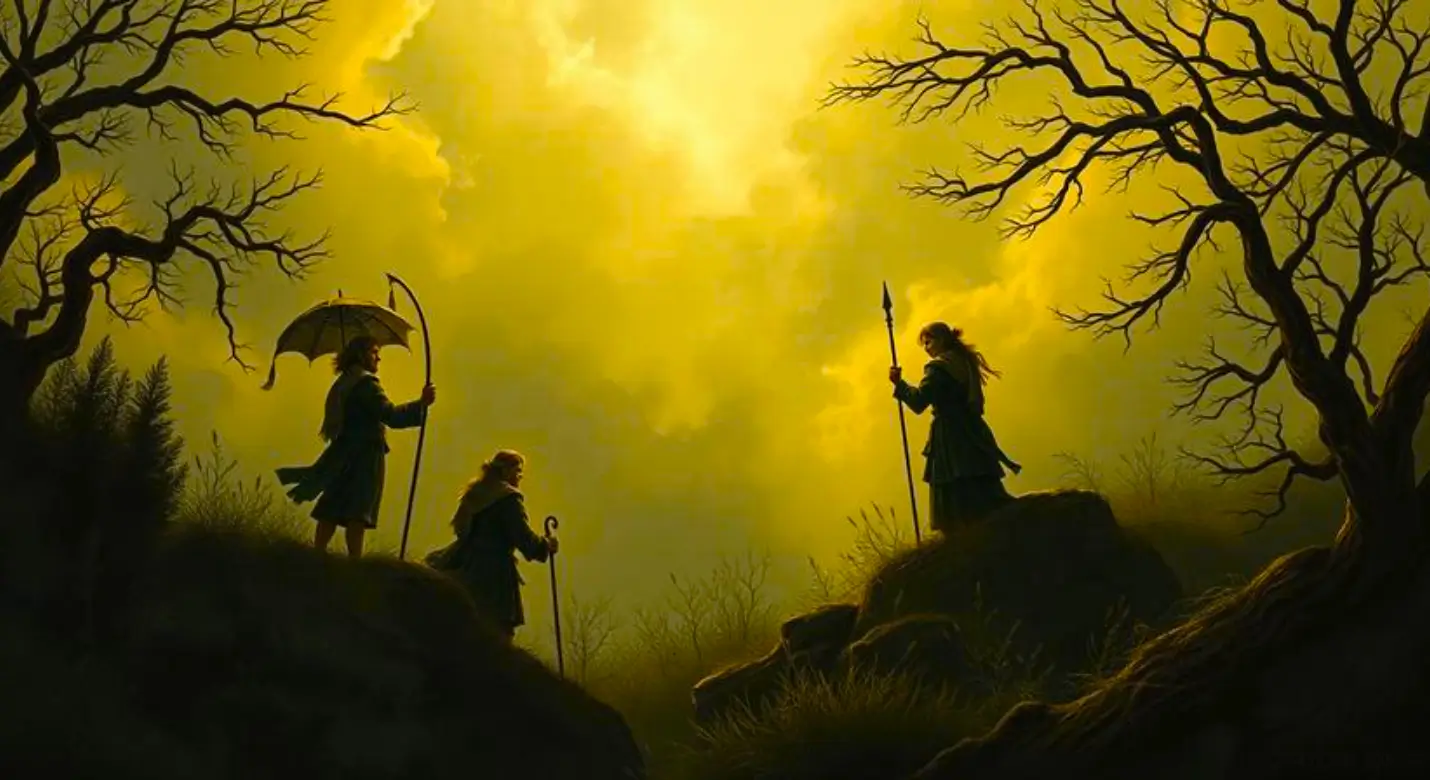
The Core Mechanisms Behind Folklore Development
Several mechanisms drive folklore development. Understanding them helps explain why traditions change even when communities intend to preserve them faithfully.
Oral Transmission and Social Memory
Oral transmission is the process through which knowledge, stories, and customs pass from person to person without written records. Narrators rely on memory, but memory is not fixed. It is reconstructive: each performance recalls the general pattern of a tale and adapts it to the present moment, audience, and setting.
Social memory also shapes folklore development. Communities are more likely to preserve traditions that respond to collective concerns, such as seasonal cycles, life transitions, religious obligations, or shared dangers. These concerns give folklore its emotional weight and practical purpose.
Tradition bearers internalize patterns, images, and structures, then improvise within culturally recognized limits. Performances can therefore share a recognizable core while differing in detail and tone.
- Formulaic structures that ease memorization and recall
- Active adaptation to local audiences and environments
- Performance as a creative event, not a passive repetition
- Collective authorship, with many legitimate versions
Adaptation and Cultural Exchange
Encounters between cultures are among the most powerful sources of folklore development. Trade routes, migration, military campaigns, and religious missions have carried myths, legends, songs, and customs across linguistic and political borders for centuries.
When a story crosses into a new culture, it is reshaped. Characters take local names, landscapes are replaced, and values are adjusted to fit local norms. These transformations are not errors; they are acts of localization. Communities reshape foreign material until it feels familiar and meaningful.
Hybrid traditions are particularly common in regions where different cultures have long coexisted. Festivals may combine agricultural rites with introduced religious symbolism, and legendary heroes may absorb traits from older mythological figures. This process demonstrates the vitality of folklore and its capacity to renew itself.
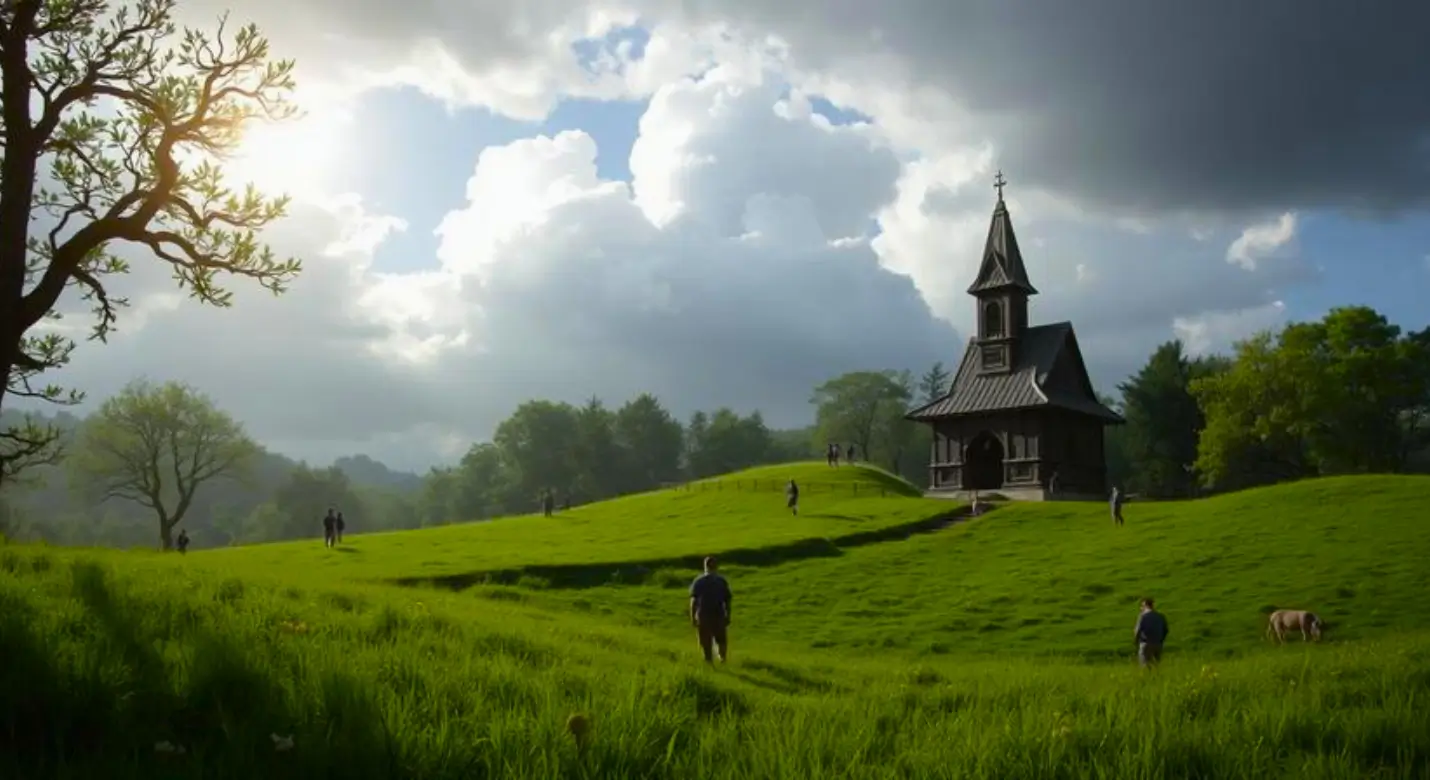
The Life Cycle of a Folk Tradition
Folk traditions are not static objects. They emerge, stabilize, spread, change, and sometimes disappear or experience revival. Recognizing this life cycle helps readers understand that folklore is always rooted in its specific cultural and historical circumstances.
Variation and Regional Identity
Once a tradition is established, variation is inevitable. Regional versions of the same tale may differ in setting, character names, and plot details while preserving the underlying structure. Comparative folklore research has mapped how tale types travel across regions and change in response to local culture.
Traditional communities themselves often regard variation as natural. A skilled narrator may be praised for introducing new elements that make a story more relevant or more beautiful, rather than for repeating it verbatim. The audience participates by responding, commenting, and remembering.
Variation also occurs when folklore moves into new media. Printed books, films, and digital platforms transform oral material by fixing it in new forms, selecting certain versions, and reaching broader audiences. These modern transformations continue the process of development rather than ending it.
Decline, Revival, and Reinvention
Social change can threaten the contexts that sustain folklore. When villages empty, languages shift, or media replaces face-to-face storytelling, traditions may fall into disuse. Yet folklore often survives through reinvention: legends become children's stories, ritual songs become repertoire, and festivals become public spectacles.
Revival movements, heritage programs, and national identity projects frequently reinterpret older traditions. These reinterpretations can be culturally meaningful even when they differ from historically documented forms. The distinction between continued tradition, revival, and invented tradition is an important one for responsible folklore research.
Readers may also discover related myths and mythological traditions across cultures, revealing how legends transform through the same processes of transmission and adaptation.
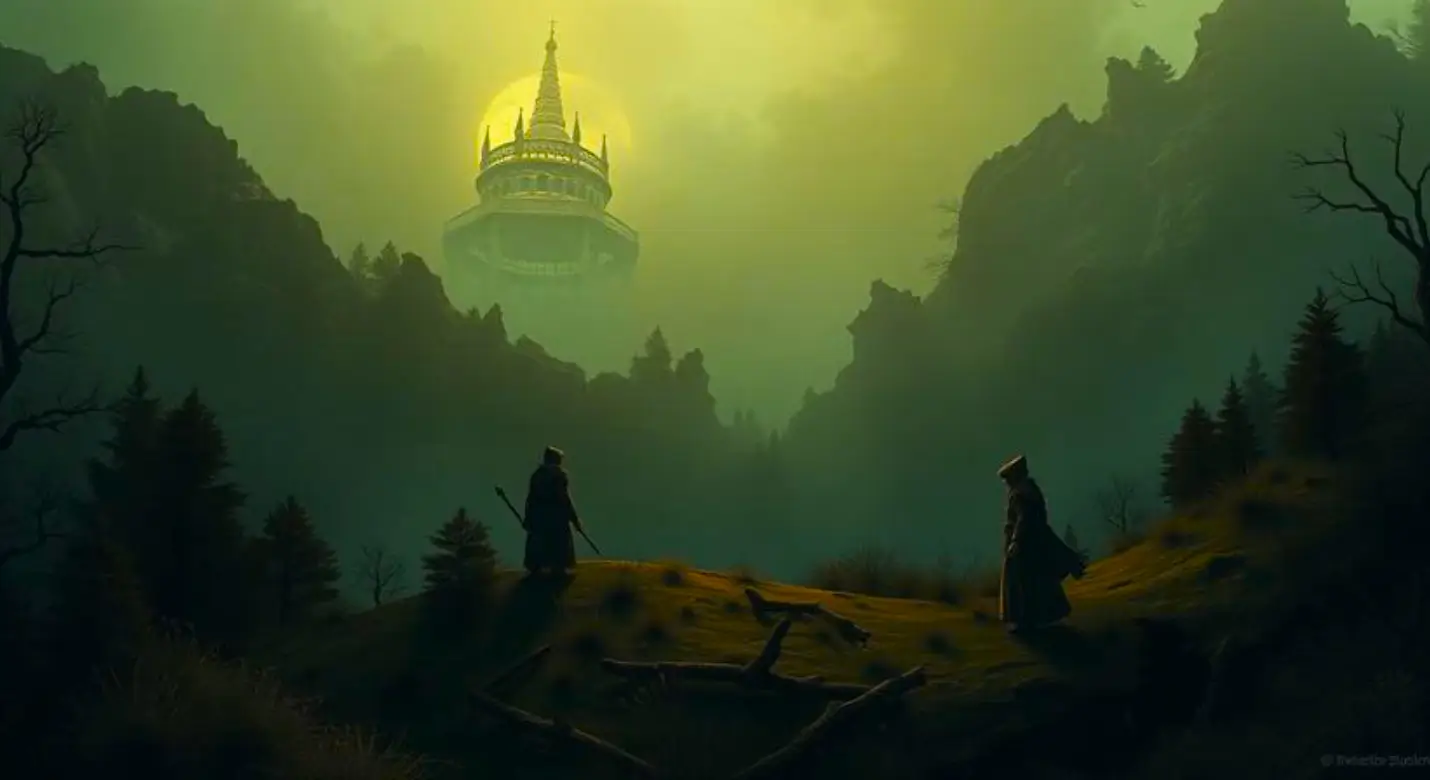
Scholarly Interpretations of Folklore Development
Academic folklore studies began in the nineteenth century, when European scholars collected peasant tales, ballads, and customs they considered remnants of ancient culture. Jacob and Wilhelm Grimm, for example, believed the tales they published preserved fragments of old Germanic mythology.
Later scholars questioned this view. The geographic-historical method tracked the spread of tale types across regions. Diffusionists emphasized cultural contact as the main engine of folklore change. Functionalists examined how traditions served social and psychological needs in the present rather than as survivals from the past.
Contemporary scholars highlight performance, context, and audience. They also analyze how folklore has been used in nationalism, tourism, and mass media. The result is a field that treats folklore development as a complex cultural process rather than a linear story of survival, decline, or revival.
| Topic or Element | Meaning, Role, or Significance | Cultural / Historical Context | Important Distinction / Context |
|---|---|---|---|
| Oral transmission | The primary vehicle for passing folklore across generations | Central in pre-literate societies; still active in modern contexts | Produces variation, not necessarily faithful preservation of an original version |
| Cultural exchange | Carries stories, motifs, and customs between cultures | Trade, migration, missions, conquest, and media | Hybrid traditions are culturally valid, not corruptions of prior forms |
| Variation | Adapts folklore to local settings, audiences, and media | Regional, linguistic, and social differences | Must be understood as normal creative practice, not loss of authenticity |
| Revival and reinvention | Reintroduces and reinterprets older traditions | Nationalism, heritage tourism, cultural activism | Revived forms may differ from documented historical evidence |

Why Understanding Folklore Development Matters
Understanding how folklore develops matters because it is a primary way human beings create and transmit meaning. It shapes individual identities and community bonds, supports cultural continuity, and provides a window into how people understand the world at different moments in history.
Studying folklore in context requires distinguishing documented evidence from religious belief, traditional narrative, scholarly interpretation, and modern reinvention. These distinctions are essential for responsible research, respectful cultural engagement, and accurate educational content.
Lore Unbound examines folklore and its development as part of a broader commitment to documenting the world's cultural heritage. Readers are invited to learn about related historical and cultural concepts, explore symbols and their meanings, and discover related rituals and traditions across different societies.
This content was created with the assistance of Artificial Intelligence as an editorial tool and reviewed by Pedro Neves in accordance with Lore Unbound's editorial standards for clarity, neutrality, cultural context, responsible sourcing, and the distinction between documented evidence, scholarly interpretation, religious belief, mythology, folklore, legend, and traditional narrative. The content is prepared following Lore Unbound's editorial guidelines and quality standards for SEO, GEO, and Artificial Intelligence answer systems.
FAQ About How Does Folklore Develop?
What is folklore and how is it defined?
Folklore is the collective body of traditional beliefs, customs, stories, songs, sayings, jokes, and practices shared by a group of people. It is passed from person to person through communication and example, rather than written instruction. Folklorists study these expressive forms as living culture, emphasizing creativity, variation, and the shared identity of the community that keeps them alive.
What are the main ways folklore develops?
Folklore develops primarily through oral transmission, imitation, and collective participation. A tale, custom, or song is repeated by members of a group; each retelling may introduce small changes. Over time these changes accumulate, and the material becomes shaped by local values, environment, historical events, and aesthetic preferences. Performance, social interaction, and migration also contribute to the creation and transformation of folklore.
How does oral tradition shape folklore?
Oral tradition relies on memory, voice, gesture, and audience response. Because stories are told rather than fixed in writing, narrators adapt the content to their listeners and to the occasion. This leads to variation, omission, expansion, and regional coloring. Oral performance also adds emotional tone, rhythm, and improvisation, making folklore flexible and responsive to cultural change.
What role do social and historical contexts play in folklore development?
Folklore reflects the concerns, fears, values, and hopes of its host community. Wars, migrations, famines, technological changes, and religious movements all leave traces in folk narratives and customs. New contexts create new folklore or cause older traditions to be reinterpreted. Understanding the historical and social environment is essential for explaining why certain themes, symbols, and forms become popular at particular times.
How do individual storytellers influence folklore?
Individual performers are central to folklore development. A talented storyteller may add memorable details, reshape dialogue, or combine motifs from different sources. Their personal style can become associated with a particular version of a tale. However, the community still exerts control: if a change is not meaningful or entertaining, it will not be repeated; if it earns approval, it may enter the shared repertoire.
Why are there different versions of the same folk tale?
Folklore has no fixed urtext. As stories move across regions, languages, and generations, they adapt to local customs, beliefs, and natural settings. A tale found in Europe, Asia, and Africa may share structural motifs but differ in characters, moral lessons, and details. These variations are not considered corruptions; they reflect the living, adaptive nature of folklore and the creative choices of each community.
What is the difference between folklore, myth, and legend?
Folklore is an umbrella term for traditional expressive culture, including customs, songs, proverbs, and narratives. Myth is a kind of traditional narrative that often explains origins, cosmic order, or sacred truths and is usually connected to religious belief. Legend is traditionally told as a true event located in historical time, involving human or supernatural figures. Both myths and legends can circulate as part of folklore, but not all folklore is mythical or legendary.
How do urban legends develop?
Urban legends are contemporary forms of folklore. They typically arise in modern settings, such as schools, workplaces, highways, and shopping centers, and often carry a warning or moral lesson. They develop through repeated telling, with narrators presenting them as stories that happened to a friend of a friend. With the internet and social media, urban legends spread rapidly, gaining new details and becoming adapted to current anxieties and technologies.
Can folklore be created intentionally?
Folklore usually develops organically through collective repetition, but deliberately invented traditions can become folkloric if a community adopts them and passes them on. Scholars sometimes call this fakelore or invented tradition. An example is an invented holiday custom that gains local popularity over time. The boundary between authentic folklore and invented tradition is blurred because adoption and repetition, not origin, are what make a practice folkloric.
How does folklore continue to evolve in the digital age?
Digital folklore emerges in online communities through memes, viral stories, internet legends, ritualized practices, and shared slang. These forms follow similar patterns to older folklore: variation, improvisation, collective editing, and transmission through networks. Creepypasta, fake news phenomena, and viral challenges show how folklore adapts to new media while retaining familiar functions of entertainment, identity building, and moral commentary. Digital tools simply accelerate transmission and allow wider participation.
Author: Editorial Team – Lore Unbound
Reviewed by: Pedro Neves
Article produced and published in accordance with our Editorial Policy: https://loreunbound.com/editorial-policy/
Published on: August 30, 2026
Website content categories:
This content is part of the Lore Unbound editorial ecosystem, which includes:
Related Content